

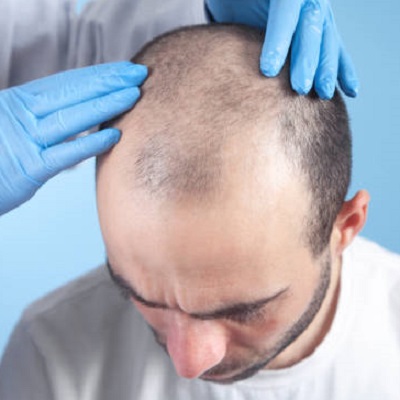
Hair growth is not just a medical treatment that can be done easily, because patients take it as a procedure for increasing confidence. Mostly, the patients are now waiting for their hair to grow back from the roots after the hair transplant. The fact is that hair growth after surgery occurs in phases.
Understanding the Procedure of Hair Transplant Surgery:
In a hair transplant, healthy hair follicles are transferred to any other part of the head. Such implanted follicles act as your own natural follicles. But they must adjust first before they start to grow. This follicle develops into a resting stage. This is the time when they can implant them on the scalp and regain their natural functioning. When healed, they start to grow new and permanent hair that blends with the existing ones.
Hair Transplant Recovery and Growth Timeline With Dr. Naveed Azhar:
Recovery and loss
Healing is concerned with the first two weeks of surgery.. In the fourth week, a temporary phase of going out starts. At this stage, the scalp can appear patchy, but there is no need to get worried, the follicles under the skin are alive, and they are getting ready to expand.
Resting Phase
Once shedding is complete, the follicles rest. This resting stage is also known as the genteel stage and takes nearly two months. The blood circulation to the transplanted follicles is enhanced, supplying the necessary nutrients to facilitate future growth.
First Growth Appear
Growth begins by the fourth month. The new hairs may be lighter and softer at the beginning, but they will soon thicken and darken. This stage makes the first actual transformation of patients who are under the care of Dr. Naveed Azhar at Royal Hair Transplant Clinic. The rate of success varies depending on factors such as age, genes, and health. Regular scalp massages, a proper diet, and stopping smoking can further enhance this stage.
Visible Improvement
The actual difference is seen between the seventh and the ninth months. The parts of the head that have been transplanted will start filling the area, and the new hair will start appearing thicker and stronger. At this point, most patients will be comfortable styling their hair and achieve a fuller appearance.
Full Growth Achievement
In month ten, there is an excellent change in your scalp. By the age, most patients are about 80-90 percent finished with their final growth. The new one will appear to be natural, and this will blend with whatever hair you have. The hair strands become thick, giving your head a healthy and voluminous look.
What Affects Hair Growth 100% Success Rate?
Many factors show the rate and thickness of your transplanted hair:
- Genetic patterns influence growth rate and density.
- Patients at a younger age recover and regrow faster.
- A Proper diet is beneficial to the follicles.
- The best results are guaranteed by your surgeon
- FUE and FUT can vary slightly in terms of their recovery periods
Healthy practices guided by professional medical advice are the best way to ensure your hair reaches its full growth potential.
Importance of Hair Transplant Surgery
It is not only about looks but also about self-confidence. The patients will report feeling more confident in both social and professional environments. It is not just the physical changes, but also the transformation, that help a person’s attitude towards life. You begin to feel that you are yourself with a newfound confidence in yourself.
Final Words!
A life-changing treatment that promises good and long-lasting results is hair transplant surgery. However, the process of growth is a lengthy one. After just 12 months, your scalp will be beautiful with thicker, healthier, and natural-looking hair. When you leave yourself in the hands of the skilled professionals such as Dr. Naveed Azhar in the Royal Hair Transplant Clinic, not only would you be able to see the visible results, but you would also have a new confidence that would last forever.
Leave Your Comment