
Are hair transplant scars visible

Are hair transplant scars visible?

Are hair transplant scars visibleHair transplants have become one of the most effective and permanent solutions for hair loss. Whether you are dealing with male pattern baldness, thinning hair, or scarring alopecia, modern hair transplant techniques can restore your confidence and natural appearance. However, one of the most common concerns patients have before undergoing a hair restoration procedure is: “Are hair transplant scars visible?”

At Royal Hair Transplant in Islamabad, we understand your concerns. This guide will address the visibility of hair transplant scars, the differences between various techniques, and how we ensure minimal scarring for the best possible results.

Understanding Hair Transplant Techniques and Scarring

There are two primary techniques used in hair transplantation: FUT (Follicular Unit Transplantation) and FUE (Follicular Unit Extraction). Each method has its own benefits and drawbacks, including how scarring occurs.

1. FUT (Follicular Unit Transplantation)

FUT, also known as the strip method, involves removing a small strip of scalp from the back of the head. Hair follicles are then harvested from this strip and transplanted into the thinning or balding areas.

Scarring with FUT:

This technique typically leaves a linear scar on the donor area, which can be visible if the hair is cut very short. However, with proper care, advanced surgical techniques, and experienced hands like those at Royal Hair Transplant in Islamabad, the scar can be minimal and easily concealed with slightly longer hair.

2. FUE (Follicular Unit Extraction)

FUE involves the extraction of individual follicular units directly from the scalp using a tiny punch device. These units are then implanted into the recipient area.

Scarring with FUE:
FUE results in tiny, round dot-like scars where each follicle was removed. These scars are usually very small and scattered, making them less noticeable, even with shorter hairstyles. For most patients, these tiny scars fade over time and are virtually invisible.

Factors That Affect Hair Transplant Scarring

While modern techniques have significantly minimized the risk and visibility of scarring, several factors still play a role in how noticeable a scar might be after a hair transplant:

  • Surgeon’s Skill and Experience: The most critical factor. At Royal Hair Transplant in Islamabad, our skilled surgeons use advanced equipment and refined techniques to ensure precise incisions and optimal healing.

  • Skin Type: Some individuals are more prone to keloid or hypertrophic scarring, which can make scars more visible.

  • Post-Operative Care: Following the aftercare instructions provided by your surgeon is essential to minimize scarring. Avoiding sun exposure, not picking at scabs, and using prescribed medications can aid in faster, cleaner healing.

  • Hair Length and Style: Keeping hair slightly longer in the donor area can easily conceal any minimal scarring from both FUE and FUT procedures.

Can Hair Transplant Scars Be Treated or Removed?

Yes, there are several options for minimizing or treating hair transplant scars if they are noticeable:

  • Scalp Micropigmentation (SMP): A non-invasive cosmetic tattooing technique that can camouflage scars by mimicking hair follicles on the scalp.

  • Laser Therapy: Certain laser treatments can help reduce the redness and visibility of scars.

  • Scar Revision Surgery: In some cases, surgical revision can help reduce the size or appearance of a linear scar.

  • Hair Transplant into the Scar: In cases where a FUT scar is visible, additional grafts can be transplanted into the scar to help disguise it further.

At Royal Hair Transplant in Islamabad, we offer personalized consultations to determine the best method for scar concealment if needed.

Tips for Minimizing Hair Transplant Scars

Here are some practical tips to ensure your healing process is smooth and your scars remain as discreet as possible:

  • Choose the Right Clinic: Ensure you select a reputable clinic like Royal Hair Transplant in Islamabad, known for successful outcomes and experienced professionals.

  • Follow Aftercare Instructions: Your surgeon will provide a comprehensive aftercare guide. Follow it religiously to avoid infection or irritation that can worsen scarring.

  • Avoid Smoking and Alcohol: These can hinder the healing process and increase your risk of visible scarring.

  • Maintain a Healthy Diet: Proper nutrition supports faster tissue repair and better overall recovery.

Why Choose Royal Hair Transplant in Islamabad?

At Royal Hair Transplant, we are committed to delivering the highest quality hair restoration services using cutting-edge technology and expert surgical techniques. Our team has helped thousands of clients achieve natural-looking results with minimal to no visible scarring. We provide a comfortable, private, and professional environment where your concerns are heard and addressed with care.

Our approach focuses on precision, artistry, and long-term success. Whether you opt for FUE or FUT, our goal is to ensure the procedure is virtually scar-free and your results exceed expectations.

Conclusion

So, are hair transplant scars visible? The short answer is: they can be, but not necessarily. With the right technique, an experienced surgeon, and proper aftercare, hair transplant scars can be minimal to invisible. Choosing a trusted clinic like Royal Hair Transplant in Islamabad ensures you get the best possible outcome with natural-looking results and virtually no sign of scarring.

If you are considering a hair transplant and want to know more about your options, including scarring, contact Royal Hair Transplant in Islamabad today for a free consultation. Let us help you restore your hair—and your confidence.

Is Scalp Micropigmentation (SMP) safe for hair

Is Scalp Micropigmentation (SMP) safe for hair?

Is Scalp Micropigmentation (SMP) safe for hairIs Scalp Micropigmentation (SMP) Safe for Hair? | Royal Hair Transplant in Islamabad
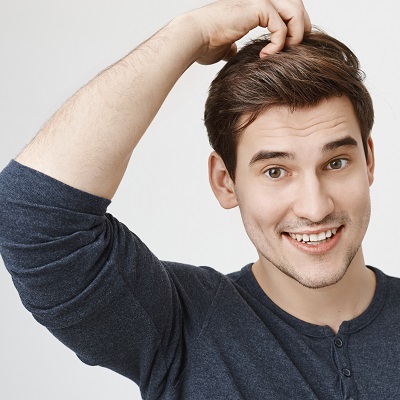
Hair loss affects millions of people around the world, and Pakistan is no exception. For many men and women in Islamabad dealing with thinning hair, bald patches, or complete hair loss, solutions like hair transplants and Scalp Micropigmentation (SMP) are growing in popularity. But one question we often receive at Royal Hair Transplant in Islamabad is: Is Scalp Micropigmentation (SMP) safe for hair and scalp health?

What is Scalp Micropigmentation (SMP)?

Scalp Micropigmentation (SMP) is a non-surgical cosmetic procedure that involves injecting natural pigments into the scalp using microneedles. The process replicates the appearance of hair follicles and gives the illusion of a fuller head of hair or a cleanly shaved scalp.

SMP is not a hair restoration method like a traditional hair transplant in Islamabad, but it is a highly effective camouflage technique for:

  • People with alopecia

  • Those experiencing pattern baldness

  • Individuals with scalp scars

  • Anyone who wants to enhance the look of hair density

Is SMP Safe for Hair and Scalp?

The short answer: yes, SMP is generally safe when performed by qualified professionals like those at Royal Hair Transplant in Islamabad. Here’s why:

1. Non-Invasive Procedure

Unlike surgical hair transplants, SMP does not involve incisions, grafts, or anesthesia. This significantly reduces the risk of complications such as infection, scarring, or prolonged downtime.

2. Use of Organic, Non-Toxic Pigments

At Royal Hair Transplant, we use only FDA-approved, non-toxic, organic pigments that are designed specifically for scalp application. These pigments are safe for the skin and do not damage existing hair follicles.

3. No Impact on Hair Growth

One of the biggest myths about SMP is that it might block or harm hair follicles. In reality, SMP pigments are deposited into the upper dermis—well above the hair root. This means the treatment does not interfere with natural hair growth or future transplant procedures.

4. Minimal Side Effects

While some redness or mild irritation may occur immediately after the procedure, these symptoms typically resolve within a few hours to a couple of days. There is no long-term damage to the scalp or hair.

Benefits of Scalp Micropigmentation

SMP offers a range of benefits, particularly for individuals looking for a non-surgical hair restoration alternative:

1. Instant Results

Unlike hair transplant surgeries, which may take months to show visible outcomes, SMP delivers immediate results. After a few sessions, the appearance of a fuller head of hair becomes noticeable.

2. Low Maintenance

There are no daily treatments, special shampoos, or maintenance routines needed. Once the pigment sets, the results are semi-permanent and last 4–6 years before requiring a touch-up.

3. Boost in Confidence

Hair loss can significantly affect self-esteem. SMP offers a natural-looking solution that helps individuals regain their confidence and feel comfortable in social and professional settings.

4. Cost-Effective

Compared to surgical hair transplants, SMP is much more affordable while delivering visually impressive results—especially when performed by experienced professionals in Islamabad.

Who Should Consider SMP?

Scalp Micropigmentation is a great option for individuals who:

  • Are not ideal candidates for a hair transplant

  • Have thinning hair or patchy baldness

  • Want to conceal scars from previous hair transplant surgeries

  • Suffer from alopecia or other hair loss conditions

  • Prefer a buzz-cut or closely shaved appearance

Why Choose Royal Hair Transplant in Islamabad?

At Royal Hair Transplant in Islamabad, we understand that choosing the right hair restoration method is a personal decision. Here’s why we’re the top choice for SMP in Islamabad:

Certified SMP Technicians

Our team comprises internationally trained and certified SMP professionals who use the latest techniques and technologies to ensure natural, long-lasting results.

State-of-the-Art Facility

We operate in a sterile, modern, and fully-equipped medical environment, prioritizing your comfort and safety throughout the procedure.

Tailored Consultations

We offer personalized consultations to assess your scalp condition, discuss your goals, and help you decide if SMP, hair transplant, or a combination of both is the right solution for you.

Aftercare Support

Our commitment doesn’t end after your session. We provide detailed aftercare instructions and ongoing support to ensure the best possible outcome.

Final Verdict: Is SMP Safe for Hair?

Absolutely. When performed by trained professionals in a clinical setting like Royal Hair Transplant in Islamabad, Scalp Micropigmentation is a safe, effective, and life-changing solution for people suffering from hair loss. It does not interfere with your hair follicles, has minimal side effects, and offers immediate cosmetic improvement.

If you’re not yet ready for a hair transplant or simply want to enhance the appearance of thinning areas, SMP could be the ideal choice for you.

Book Your Consultation Today

Don’t let hair loss hold you back. Visit Royal Hair Transplant in Islamabad and discover whether Scalp Micropigmentation is right for you. Our experts are ready to guide you through every step of your hair restoration journey.

Call now to schedule your consultation or visit our website to learn more about SMP and hair transplant options in Islamabad.

in-Which-Cases-Does-Hair-Transplant-Fail.

In Which Cases Does Hair Transplant Fail?

in-Which-Cases-Does-Hair-Transplant-Fail.Hair loss is very common in almost every individual nowadays. There are many non-invasive hair restoration treatments available, but they are for mild hair loss. If you are struggling with extreme hair loss and want a permanent solution, then a hair transplant is the best choice. But most of the patients ask Is it safe? What if it fails? In which cases does hair transplant fail? Etc. Stop worrying too much. In some cases, it can fail, but these are very rare or extreme.

Read this detailed guide to know the factors that contribute to hair transplant failure and what you can do to control it.

What Is Hair Transplant Failure?

Hair transplant failure refers to when the transplanted hair follicles do not grow as expected, fall out prematurely, or produce thin, patchy, or unnatural hair. It may be partial (some grafts fail) or complete (no visible results).

Common Signs of Hair Transplant Failure

  • No visible new hair growth after 6–9 months
  • Infected or inflamed grafts
  • Unnatural or irregular hairline
  • Lack of density or coverage
  • Graft shedding beyond the normal shock loss phase

How Likely Is a Hair Transplant to Fail?

Hair transplant is very rare. The failure rate is around 5%-15%. If carried out by a specialist in a reputable clinic, then it is almost impossible for it to fail. The failure rate depends on:

  • Surgeon’s level of expertise
  • Procedure followed (FUE, FUT, DHI)
  • Overall health of the patient
  • Aftercare
  • Quality of donor hair

At top clinics like Royal Hair Transplant Islamabad, failure rates are minimal due to expert handling, high-tech equipment, and personalized aftercare.

In Which Cases Does Hair Transplant Fail?

Several issues can lead to poor results or complete transplant failure that including:

Poor Surgical Technique

  • Inexperienced surgeons can place grafts at an incorrect angle or overharvest donor hair, leading to patchy, unnatural growth.
  • Choose a qualified, experienced surgeon with a good track record.

Unrealistic Expectations

  • Expecting complete coverage from a small donor area requires overharvesting, thus losing the transplantation results.
  • Set realistic expectations depending on your hair type and level of loss.

Poor Donor Area 

  • If the donor area lacks healthy hair, the transplant will never succeed.
  • Some people with extreme or diffuse cases of thinning may not qualify as clients.

Poor Aftercare

  • Scratching, sweating, or using the wrong product after surgery can cause the grafts to lose their soul.
  • Follow aftercare strictly for 10–14 days at least.

Medical Conditions

  • Diabetes, thyroid disease, scalp infections, or autoimmune disorders affect healing and graft survival.
  • Treat medical conditions before your transplant.

Smoking and Alcohol

  • These reduce circulation and slow healing, lowering graft success rates.
  • Avoid both before and after surgery.

Body Rejects Grafts

  • In some cases, the immune system rejects grafts, mainly in autoimmune diseases.
  • Disclose your medical history during consultation

Low-Quality Clinics

  • Choosing on price alone can compromise hygiene, equipment, and staff qualifications.
  • Avoid very low-priced clinics.

In Islamabad, Royal Hair Transplant has a qualified Hair Transplant specialist, Dr Shahnaz Muazzam, who has all the types of quality equipment and expertise.

How do you know that a hair transplant has failed?

  • Be aware of the following signs
  • No new hair after 6–9 months
  • Jagged or irregular edges
  • Redness or inflammation for a long period
  • Infections or pus
  • Thinning of the Donor Area

How to Prevent Hair Transplant Failure

Success is both the doctor’s and the patient’s responsibility. Here is how you can increase your chances:

  • Choose the Right Clinic
  • Follow Aftercare Instructions
  • Set Realistic Expectations
  • Keep Health Issues in Control
  • Quit Smoking and Alcohol

Can a Failed Hair Transplant Be Fixed?

Yes. If your last transplant did not work out, you can:

  • Undergo a repair session with an experienced doctor
  • Try PRP or exosome therapy to induce growth in thinning grafts
  • Go for SMP (Scalp Micropigmentation) for a fullness look
  • Take drugs like Minoxidil or Finasteride to preserve existing hair

Book Your Hair Transplant Consultation Today!

Hair transplant failure isn’t always due to bad luck; it’s usually preventable. If you’re serious about restoring your hair, choose a trusted clinic like Royal Hair Transplant Islamabad, where every step is taken to maximize graft survival and deliver natural, lasting results.Do not risk your hairline. Book a consultation today with our hair transplant specialist, Dr. Shahnaz Muazzam, the best hair transplant surgeon in Islamabad, and set yourself on the road to success.

Does FUT Leave a Scar

Does FUT Leave a Scar?

Does FUT Leave a ScarYou’re probably asking yourself whether FUT leaves a scar when you’re considering a hair transplant. Yes, it does,  is the short answer. But whether or not it’s visible or a problem is contingent upon several factors. FUT (Follicular Unit Transplantation) or strip technique is one of the best hair restoration techniques, but it does leave a linear scar on the donor region.

Read this blog to learn further about FUT and how, at Royal Hair Transplant, we minimize the scar.

What Is FUT Hair Transplant?

FUT is a surgical process for hair replacement: A strip of scalp is removed from the back or sides of the head. Hair follicles from this strip are harvested and transplanted to thinning or balding areas.

Does FUT Leave a Scar?

Yes, FUT creates a linear scar at the rear of the head, where the strip of scalp is removed. The scar is permanent but usually narrow and easily hidden under the existing hair.

How Big is the FUT Scar?

  • Length: Dependent on the number of grafts, but typically 1–6 inches.
  • Width: Most often very thin, typically only 1–2 mm if normally healed.
  • Visibility: Generally not visible with surrounding hair if at least ½ inch long.

What Affects FUT Scar Visibility?

There are a few things that can affect how noticeable or apparent your FUT scar will be:

  • Surgeon’s Skill

An experienced, old surgeon can perform detailed closure techniques, which give a cleaner scar.

  • Scalp Elasticity

People with a tight scalp may experience more tension on the wound, which can yield a broader scar.

  • Healing Process

Aftercare is crucial. Infection, scab picking, or bad healing can make the scar worse.

  • Haircut Style

If you have short hair (especially buzz cuts or fades), the scar will be more noticeable.

Can You Camouflage the FUT Scar?

Yes, the scar can usually be hidden if you:

  • Let your hair grow longer in the back
  • Avoid very short haircuts
  • Keep your hair down rather than shaved or closely styled

Some people even have scar revision surgery or scalp micropigmentation (SMP) performed to conceal the line further.

How Does FUT Differ from FUE in Scarring?

FeatureFUTFUE
Type of ScarLinear scar at the donor siteSmall round scars are scattered across the donor area
VisibilityHidden by longer hairLess visible, even with shorter hair
Healing TimeSlightly longerFaster recovery
Number of Grafts in One SessionHigher volume possibleMay require multiple sessions
CostMore affordableTypically more expensive


If scarring is your primary concern, FUE might be better, but FUT gives more density and coverage for most cases.

Can the FUT Scar Be Removed or Treated?

While the scar is permanent, it can be made less visible:

  • Scar Revision Surgery

The previous scar is removed, and the skin is sewn up using better techniques to reduce its bulk.

  • Scalp Micropigmentation (SMP)

A form of cosmetic tattoo that colour-matches the scar to match the remainder of the scalp.

  • FUE Into Scar

Some people transplant hair follicles directly into the scar using FUE, making it less visible by growing hair through it.

Is FUT Still Worth It?

Despite the scar, FUT remains a great option for many people, especially if:

  • You have severe hair loss
  • You want maximum grafts in one session
  • You plan to keep your hair long enough to hide the scar
  • You’re looking for a cost-effective solution

The outcome is permanent, and the scar becomes less noticeable over time for the majority of individuals.

Who Shouldn’t Have FUT?

FUT is not the best choice if:

  • You have very short or shaved hair
  • You tend to have bad wound healing or keloid scar formation
  • You have had previous scalp operations with an effect on elasticity

In such situations, FUE or non-surgical methods such as PRP or exosome therapy may be more appropriate.

Conclusion

Yes, FUT does leave a scar, but with the right surgeon and proper care, it’s often thin, subtle, and easy to hide. If your goal is to restore hair in a large area with lasting, natural results, FUT is still one of the top options available.

At Royal Hair Transplant Islamabad, our experienced surgeons use the latest trichophytic closure techniques to reduce scarring and ensure maximum satisfaction. Regardless of whether you choose FUT or FUE, we will guide you through every process of your hair transplantation journey.

How Long Does Beard Transplant Last?

How Long Does Beard Transplant Last?

How Long Does Beard Transplant Last?If a man finds growing a beard evenly or thick across his face difficult, a beard transplant can be very helpful. As many men hope for thicker beards, the use of beard transplants is rising globally. A common question is: How Long Does Beard Transplant Last? We will review everything you need to know about the timeframe of a Beard Hair Transplant, how it works and how to prolong the results.

What is a Beard Transplant and How Does It Work?

During the transplant, doctors take small groups of hair follicles from the back or sides of your head. Usually, the hairs from the back or sides of the head are transplanted into areas of the face where a beard lacks hair.

FUE involves removing single follicles whereas FUT is done by removing a whole strip of hair follicles. Grafts are carefully spread out to create the beard you want, so the result looks natural and appealing.

Can a Beard Transplant Last Forever?

Having a beard transplant means your beard will last a lifetime. Donor hair is the main reason for this. The follicles transplanted from the scalp are designed to resist hair loss, so they grow in the new area for your whole life.

Within 2-3 weeks of the transplant, you will likely see the transplanted hairs coming out—this is a typical thing that happens. After surgery, new hair starts growing again after about 3-4 months and the final results are seen by 9-12 months. People can manage the beard after the procedure just as they take care of facial hair.

What Factors Influence Results Longevity?

A beard transplant aims to provide permanent results, but several things can determine whether the results last and look best.

Quality of the Donor Hair:

Strong, thick donor hair from the scalp increases the likelihood of long-term success. Patients with healthy hair follicles at the back of the head are ideal candidates.

Surgeon’s Expertise:

The success of surgery depends greatly on the performing surgeon’s abilities. If follicles are put in the right place, they are sure to attach solidly and develop normally, giving good results without risks.

Post-Surgery Tending and Recovery:

Taking care after hair transplant in Islamabad is very important. Following the guidelines helps patients avoid infection, recover correctly and obtain positive hair growth.

  • Avoiding strenuous activity for a few daysKeeping the transplant area clean
  • Avoiding shaving for 10–14 days
  • Refraining from smoking and alcohol during recovery

Underlying Medical Conditions:

If left untreated, problems include hormone imbalances, alopecia or autoimmune illnesses can damage hair growth and reduce the outcomes of therapy. 

How Long Does Beard Transplant Last?

As soon as the transplanted hair fully matures, it no longer looks or feels different from natural facial hair. They won’t be lost to male pattern baldness and can be considered permanently attached. A beard transplant gives you a permanent solution to restoring facial hair, rather than the temporary benefits of beard fillers or microblading.

If men want to change the way their facial hair appears, a beard transplant is a lasting option. The results are intended to endure forever, providing confidence and a look that men usually aim for.

Does the Beard Need Special Maintenance After the Transplant?

No special long-term maintenance is needed after the healing process is complete. The transplanted beard can be:

  • Trimmed or styled regularly
  • Shaved like normal facial hair
  • Groomed using oils and conditioners to enhance softness and luster

For optimal appearance, regular skin exfoliation and cleansing can help prevent ingrown hairs and maintain healthy skin underneath the beard.

How Long Before I See Full Results?

The beard transplant is a journey of patience. The timeline is as follows:

  • First 2 weeks: Initial shedding of transplanted hair
  • 1 to 3 months: Dormant phase, with minimal visible growth
  • 3 to 6 months: Gradual regrowth begins
  • 6 to 9 months: Significant beard density improvement
  • 9 to 12 months: Final results are visible

By the one year mark, the beard should be fully developed and indistinguishable from natural beard hair.

Can a Beard Transplant Fail or Lose Effectiveness Over Time?

While the vast majority of beard transplants are successful, rare cases of transplant failure can occur due to:

  • Poor surgical technique
  • Inadequate post-operative care
  • Infection or scarring
  • Rejection of grafts

To avoid this, choosing a reputable clinic with experienced surgeons is crucial. Follow-up appointments and check-ups post-surgery help ensure that the beard grows in as expected.

Is a Touch-Up Ever Required?

In some cases, patients may opt for a minor touch-up session after 12–18 months to enhance density or adjust the shape. This is usually optional and not due to failure, but to refine results according to personal preferences.

Final Thoughts!

If a beard transplant is something you are interested in, choose a skilled doctor, stick to the aftercare instructions and stay healthy to benefit from lasting effects. Get your Desired look by choosing our clinic. We have the best hair transplant Surgeon in Islamabad who will help you achieve desired goals. If you want to know more How Long Does Beard Transplant Last? Then you can also contact our team.

Is PRP halal

Is PRP halal?

Is PRP halalHave you ever wondered whether or not beauty or clinical treatments align with your faith? With the upward thrust of beauty and regenerative methods like PRP (platelet-rich plasma), many Muslims ask, “Is PRP halal?” This question is vital for fitness-aware folks but is additionally dedicated to observing Islamic tips. Let’s discover what PRP Hair Treatment in Islamabad is, how it works, and whether or not it can be considered halal or no longer, in keeping with Islamic teachings.

Quick facts:

  • PRP is halal when using your blood
  • No animal or impure substances were harmed
  • Valid for medical or ethical cosmetic purposes
  • Seek guidance if uncertain

What Is PRP Therapy?

Platelet-Rich Plasma (PRP) is a treatment that uses a person’s blood to promote restoration and rejuvenation. It’s widely utilized in:

  • Hair healing (for hair thinning and hair loss)
  • Facial rejuvenation (generally referred to as the “vampire facial”)
  • Joint and muscle harm remedies (for athletes or those with persistent pain)

The technique involves drawing a small quantity of blood, spinning it in a centrifuge to concentrate the platelets, and injecting this enriched plasma back into the affected area. These platelets release growth factors that stimulate recovery, restore tissues, and regenerate cells.

Why Are Muslims Concerned?

In Islam, the idea of halal (permissible) and haram (forbidden) applies not only to food but also to medical treatments, personal care, and even beauty treatments. The number one concern with PRP consists of

  • Is it derived from animal or human resources?
  • Does it involve anything impure or dangerous?
  • Is the method necessary, or is it simply cosmetic?

Understanding these worries calls for looking at PRP through the lens of Islamic ethics.

Is PRP Halal in Islam?

According to numerous Islamic students and study institutions, PRP therapy is usually considered halal, provided the following conditions are met:

  • The plasma is taken out of your body.

Since the blood used is autologous (from the same character), it does not now contain foreign or doubtlessly impure substances. This makes it fundamentally permissible.

  • No haram materials are delivered.

The PRP method must not include non-halal additives, such as animal-derived gels, porcine substances, or harmful chemicals.

  • The cause is medical or therapeutic.

If the treatment is intended to restore health (e.g., for hair loss caused by contamination or joint pain), it’s usually recommended in Islam. Pure cosmetic uses might also be halal but subject to greater scrutiny, depending on intent and modesty.

  • It does not now permanently adjust Allah’s Creation.

Islam encourages care for one’s body and looking inside natural limitations. As PRP enhances natural healing without completely altering functions, it is not seen as changing the creation of Allah, which is forbidden.

Benefits of PRP (Within Halal Guidelines)

  • Stimulates herbal recovery
  • Improves hair density
  • Rejuvenates the skin’s look without a surgical procedure
  • Reduces pain and inflammation in joints
  • Offers minimal side effects

For Muslims who are cautious about what they put in or on their bodies, PRP gives a secure and moral alternative when carried out nicely.

When Should You Be Cautious?

Even though PRP is usually halal, double-check with the hospital about

  • Source of substances used within the procedure
  • Sterilization and cleanliness
  • Medical necessity as opposed to arrogance motives
  • Practitioner’s credibility and experience

PRP in Pakistan: Growing Awareness

Many clinics are aware of non-secular sensitivities and the upward thrust of aesthetic treatments in cities like Islamabad, Lahore, and Karachi. Clinics that simply use country, which is autologous (out of your blood) and no longer include haram substances, are more reassuring for Muslim customers.

Final Verdict

So, is PRP halal? Yes, PRP is considered halal when it uses your own blood, includes no haram components, and serves a valid clinical or ethical beauty purpose. Islam encourages self-care and healing as long as it respects the human shape and follows moral guidelines.

Whether you’re considering treating hair loss or improving joint mobility, PRP may be a pain-free choice for holistic health.

What is a Scarless Hair Transplant

What is a Scarless Hair Transplant?

What is a Scarless Hair TransplantWorried that a hair transplant procedure leaves visible scars? Not to worry, you’re not by yourself. Most individuals across Islamabad and even the world want natural results and no evidence of surgery! That’s where Scarless Hair Transplant in Islamabad comes into play. It is a new, minimally invasive procedure that can restore your hairline without any visible scars, especially if you have the procedure done by experienced specialists such as those at Enfield Royal Clinic Islamabad. 

Let’s break down what a hair transplant is, “scarless”, how it is performed, and if it is right for you.

What is this “Scarless Hair Transplant”?

Scarless hair transplant describes techniques that never lead to a linear scar on the scalp. It most often applies to methods like FUE (Follicular Unit Extraction) or DHI (Direct Hair Implantation), which involve extracting individual follicular units and not cutting a strip of scalp. 

No surgery is 100% scarless, even at the microscopic level, but FUE and DHI surgeries do not leave an obvious scar if the procedure is performed well. These tiny circular incisions heal so well that you can often barely see them, even with low hair.

Scarless Hair Transplant vs. Traditional Methods

FeatureScarless Hair Transplant (FUE/DHI)Traditional Hair Transplant (FUT)
Incision TypeTiny individual follicle punchesLong strip excision
ScarringMinimal to invisibleLinear scar
Healing TimeFasterLonger
Pain & DiscomfortLessMore
Shaving RequirementOften requiredSometimes optional

Techniques Used in Scarless Hair Transplant

1. FUE (Follicular Unit Extraction)

  • Extracts individual hair follicles with the assistance of a micro-punch device.
  • No stitches, no linear scar.
  • Quick recovery, no downtime.

2. DHI (Direct Hair Implantation)

  • A type of FUE with a specialized pen-like device (Choi Implanter).
  • Follicles are implanted and extracted simultaneously.
  • High precision, dense packing, and natural look.
  • Both procedures are offered at Enfield Royal Clinic Islamabad with the latest equipment and performed by experienced hair transplant surgeons.

Benefits of a Scarless Hair Transplant

Some of the apparent advantages of a scarless alternative are:

  • No noticeable scars, even when wearing short hair
  • Quick recovery period (3–5 days)
  • Minimally painful or uncomfortable
  • Natural-appearing results
  • Versatile donor site (scalp, beard, chest)
  • Minimal risk of complications

Am I an Ideal Candidate for a Scarless Hair Transplant?

You might be an ideal candidate if you:

  • Are you experiencing balding or thinning hair?
  • Have adequate donor hair (on the scalp, beard, or body)?
  • Preferably, wear your hair short?
  • Want a discreet procedure with no noticeable scar?
  • Are you in good general health?

A consultation at Enfield Royal Clinic can ascertain your suitability and treatment.

What is the Recovery Time?

The healing process is usually smooth:

  • Days 1–3: Mild redness or swelling in the donor and recipient areas
  • Days 4–7: Scabs start to fall off
  • Weeks 2–3: Hair shedding stage starts (normal part of healing)
  • Months 3–4: New hair growth starts
  • Months 6–12: Final results are visible

Since there is no suturing involved, you resume everyday life within days.

Are There Any Risks or Side Effects?

Scarless hair transplant is safe in experienced hands, but certain temporary minor effects may be:

  • Swelling
  • Redness
  • Itching
  • Shock loss (temporary hair loss)

These effects vanish with proper aftercare and medication. Having the procedure done from an expert clinic like Enfield Royal Clinic Islamabad nullifies risks.

What is the Cost of a Scarless Hair Transplant in Islamabad?

It depends on the number of grafts needed, which technique is used (FUE or DHI), and the experience of the clinic. The cost of a scarless hair transplant on average is between PKR 95,000 and PKR 160,000. Schedule a consultation session with our hair transplant surgeon for the custom treatment plan and exact cost.

Why Choose Enfield Royal Clinic Islamabad?

At Enfield Royal Clinic, you get:

  • Certified surgeons with advanced training
  • Scarless FUE & DHI techniques
  • Customized hairline design
  • Natural-looking, long-lasting results
  • Supportive follow-up care

We use high-precision tools and maintain strict hygiene standards for safe and effective procedures.

Book Your Consultation Now!

Both FUE and DHI are two of the most effective hair transplant techniques, which leave minimal scars. If you want to go for something with minimal downtime and scarless hair transplant techniques are best for you.

Visit Royal Hair Transplant Clinic Islamabad and book your consultation with our hair transplant specialist, Dr. Shahnaz Muazzam, to talk about a customized treatment that is suitable for you. Scarless confidence starts here.

What is the best hair replacement method

What is the best hair replacement method?

What is the best hair replacement methodAre you tired of hair loss affecting your confidence? What is the quality solution? You’re no longer on your own. Hair loss is a commonplace problem amongst both women and men. Whether it’s because of genetics, strain, or fitness situations, the emotional impact may be tremendous.
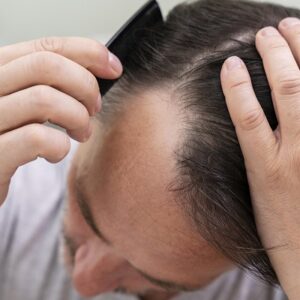
Thankfully, modern technological know-how offers several hair replacement options. But with so many selections, it is easy to feel overwhelmed. Let’s break it down so you can understand what works and is right for you.

Understanding Hair Replacement

Hair replacement is a broad field that includes surgical and non-surgical treatments designed to restore the appearance of healthy hair. These techniques are safe, have been examined, and may provide life-changing results. Choosing the pleasant technique depends on the volume of hair loss, finances, age, and personal preferences.

Best Hair Replacement Methods

Here are the most popular and effective hair replacement options available these days:

  1. Hair Transplant Surgery (FUE or FUT)

This is the most permanent and natural-looking solution. Hair follicles are taken from the back of your scalp (donor area) and transplanted to balding spots. The two principal strategies are

  • FUE (Follicular Unit Extraction): Individual follicles are extracted and positioned inside the bald area, resulting in less scarring and faster restoration.
  • FUT (Follicular Unit Transplantation): A strip of scalp is removed to extract follicles. More invasive, however, is needed from time to time for dense outcomes. Results are long-lasting and continue to improve over numerous months.
  1. PRP (Platelet-Rich Plasma) Therapy

This is a non-surgical procedure. A small quantity of your blood is drawn, processed, and injected into the scalp. It boosts natural hair growth by stimulating dormant follicles. Best for early-stage hair thinning.

  1. Scalp Micropigmentation (SMP)

A cosmetic procedure wherein pigment is applied to mimic the appearance of hair follicles. It is excellent for people who decide on a shaved appearance. It doesn’t regrow hair, but it gives the phantasm of density.

  1. Medications (Minoxidil & Finasteride)

These FDA-authorized capsules can gradually decrease hair loss and sometimes promote regrowth. However, outcomes vary and require long-term use.

What Is the Best Method?

Hair transplant surgery (especially FUE) is the first-class permanent hair replacement approach. It offers natural results, long-term advantages, and minimum maintenance once healed.

But it’s not one-size-fits-all. The first-class approach for you relies on your:

  • Hair loss stage
  • Budget
  • Health condition
  • Expectations

Who is a Good Candidate for Hair Replacement?

You’re in all likelihood a great candidate if:

  • You have sizeable thinning or bald patches
  • You have a wholesome donor area (back or aspects of the scalp)
  • You’re not seeing outcomes from non-surgical treatments
  • You’re dedicated to long-term hair recuperation

Recovery and Aftercare

If you opt for surgical treatment, assume 7 to 10 days of preliminary healing. Full effects may additionally take 6–12 months. Non-surgical replacements like PRP or SMP require several sessions and follow-up appointments.

Hair structures need daily care and low replacement every few months. So, usually weigh your way of life and expectations before choosing.

What is the Cost of Hair Replacement in Islamabad, Pakistan?

The value of hair replacement in Pakistan generally ranges from PKR XYZ to PKR XYZ, depending on the technique and quantity of treatment. Surgical transplants cost more than PRP or SMP but offer lasting effects and better long-term results.

Factors that affect the price include

  • Type of hair: replacement approach
  • Number of grafts wanted (for transplants)
  • Experience of the health care provider or expert
  • Clinic’s technology and reputation
  • Follow-up classes and publish-care desires

Final Verdict

Hair loss doesn’t have to be permanent. Thanks to modern technology, you now have numerous hair substitute techniques, each with its strengths.

A hair transplant is commonly the top choice for lasting, natural outcomes. But if you’re not ready for a surgical procedure, non-surgical treatments can still deliver substantial enhancements. Whatever you pick out, make sure you’re in safe hands. With professional guidance, you’ll regain not only your hair but also your confidence.

Do hair transplants look natural

Do hair transplants look natural?

Do hair transplants look naturalHave you ever wondered if a hair transplant will look fake or natural? You’re no longer on your own. Many people hesitate to get a transplant because they fear it might look unnatural. The excellent news is that hair transplants today can look completely natural when executed effectively.

Quick Facts

  • Modern transplants use your hair, so outcomes are permanent.
  • Healing time is rapid, generally within a week.
  • Final results take 6 to 365 days to display.
  • No, you can inform them you’ve had it until you say so.

Do Hair Transplants Look Natural?

Hair loss is more than a beauty issue. It can affect your confidence, vanity, and even social life. Thankfully, current hair transplant strategies have advanced substantially. Today, restoring your hairline is feasible without everybody noticing you’ve had surgery. But the huge question remains: do hair transplants look natural?

The short solution is, yes, they truly can. However, the key to a natural-looking result lies within our surgeon’s skill, the technique used, and how well you observe aftercare instructions. With the proper approach, a hair transplant can blend so seamlessly that even close pals or barbers might be unable to tell.

How Hair Transplants Work

Hair transplants transfer hair from thicker areas (like the lower back of your head) to thinner or balding areas.

Two popular strategies are used:

  • FUE (Follicular Unit Extraction)
  • FUT (Follicular Unit Transplantation)

Our surgeon uses both techniques to place individual hairs to fit your eyebrow sample. This guarantees your hairline looks as natural as possible.

Why Modern Hair Transplants Look Natural

Earlier tactics regularly left visible scars or atypical-looking patches. That’s not the case.

Today’s surgeons use: 

  • Microsurgical tools
  • Advanced planning
  • Precise angles and spacing

Every graft is located with a cause. Surgeons mimic how your hair grows. With excellent lighting, near inspection, or maybe touch, no person can tell.

Real Results, Real Confidence

Patients frequently mention how they feel more assured and youthful after their transplant. The transformation is diffuse yet effective. Friends can also comment on how refreshed or healthier they look without knowing a transplant has been completed. That’s the hallmark of a well-performed method: it complements your appearance without converting your identification.

Expertise Matters: Dr. Naveed Azhar

Choosing the right hair transplant surgeon is one of the most critical factors in attaining natural outcomes. Dr. Naveed Azhar is known for his precision, artistic technique, and personalized treatment plans. With 16 years of experience in hair healing, he has helped countless patients regain not only their hair but also their self-confidence.

Dr. Naveed Azhar carefully evaluates every affected person’s hair type, face form, and aesthetic goals before designing a custom hairline. His in-depth information on natural hair glide guarantees undetectable results. His paintings at Royal Hair Transplant have earned him popularity for producing incredible, realistic effects.

How Much Does Hair Transplant Cost in Pakistan

The treatment typically ranges from PKR XYZ to PKR XYZ. The cost depends on the variety of grafts wanted and the technique used. A personalized session will help determine the exact fee based on your hair situation and desired consequences.

Factors That Affect Cost:

  • Total range of grafts required
  • Choice between FUE and FUT strategies
  • Clinic reputation and location
  • Experience of the surgeon
  • Inclusion of follow-up care or PRP therapy
  • The facility quality, and the area is used

Book Your Consultation Right Now!

If you’re prepared to regain your hair and self-assurance, now’s the time. Book your session with Dr. Naveed Azhar and get expert recommendations tailored to your hair goals. At Royal Hair Transplant in Islamabad, you’ll get honest tips, global-elegance care, and natural-looking effects. Don’t wait till more hair is lost. A session can be your first step toward feeling like yourself again, or maybe better.

Does PRP Actually Regrow Hair

Does PRP Treatment Actually Regrow Hair?

Does PRP Actually Regrow HairHair loss or hair thinning is a commonplace issue among individuals nowadays. It can affect a person both physically and mentally. If you are considering potential solutions, you have probably heard of PRP Hair Therapy in Islamabad. The question on everyone’s mind is, Does PRP actually regrow hair? The answer: yes, in the majority of cases, PRP stimulates hair regrowth, especially in people experiencing thinning or early-stage hair loss.

This blog explains how PRP works, whether it works, and how to find the best PRP clinic in Islamabad.

What is Hair PRP?

PRP stands for Platelet-Rich Plasma, a treatment that uses your blood to restore hair growth. The procedure starts with a tiny sample of your blood, spinning it in a centrifuge to separate the plasma rich in growth factors, and injecting that plasma into your scalp. The goal is to awaken dormant hair follicles and strengthen active ones.

How Does It Work?

PRP works on the principle of the healing capability of platelets in your own blood. Platelets contain high concentrations of growth factors that repair tissues and stimulate cells.

The following is how PRP causes hair growth stimulation:

  • Increases hair follicle blood supply
  • Triggers natural hair growth through enhanced cell activity
  • Thickens the hair shaft and reinforces weak follicles
  • Delay shedding of hair by extending the period of hair growth

When used in areas with thinning hair, PRP can reanimate miniaturized hair follicles to produce thicker, healthier hair. 

Does PRP Actually Regrow Hair?

Yes, PRP can stimulate hair growth, especially for young hair loss and androgenic alopecia (male or female pattern baldness). PRP does this by utilizing the growth factors in your own blood to kick-start hair follicles, boost blood flow, and extend the growth cycle of the hair. 

How PRP stimulates hair growth is as follows:

  • Activates dormant follicles: PRP injection activates resting or damaged hair follicles to produce new hair.
  • Makes your hair thicker: It strengthens thinning hair, giving it a thicker, fuller look.
  • Slows down hair loss: Enhancing hair follicle health, PRP slows down excessive hair loss.
  • Promotes natural growth: Growth factors in PRP trigger cell growth and tissue repair, which support healthy hair.

Results:

  • Visible results after 3–4 sessions
  • Visible thickening after 3–6 months
  • Good for early hair loss

Maintenance may be needed every 4–6 months. Clinical trials and real patient results support PRP as a viable, safe hair restoration treatment, if done by skilled operators. It’s no baldness miracle cure, but it works exceptionally well on thinning hair and slowing down hair loss.

Key Factors That Impact PRP Results

PRP is not one size fits all. Its effectiveness depends on several factors:

  • Stage of Hair Loss
  • Age and Health
  • Consistency of Treatment
  • Quality of PRP
  • Expert Professional

Best PRP Clinic in Islamabad

Seeking the best PRP treatment Islamabad has to offer? Trust Enfield Royal Clinic, where hair restoration excellence is the norm, and a leading non-surgical hair restoration specialist, Dr. Naveed Azhar.

Why Choose Enfield Royal Clinic?

Need a safe, effective PRP hair treatment in Islamabad? This clinic is a name you can trust. At Royal Hair Transplant, we have Certified medical staff with PRP hair therapy skills, FDA-approved equipment for clean, safe procedures, Customized treatment plans to suit your hair type and condition, Affordable PRP packages for noticeable, long-lasting results, and Warm client reviews and before-and-after success stories. These are the things that make a clinic credible.

Book Your Consultation Now

Still not convinced that PRP is right for you? The only way to be sure is to arrange a consultation with our hair professional, Dr Shahnaz Muazzam. At the appointment, you’ll get:

  • An assessment of your scalp and hair
  • Honest advice based on your circumstances
  • A personalized PRP treatment plan
  • Clarity on results and cost

Don’t let your hair loss increase. The sooner you get started with PRP, the greater your chances of hair regrowth. Call now or visit Islamabad Royal Hair Transplant to schedule your consultation and take the first step towards voluminous, healthier hair.