
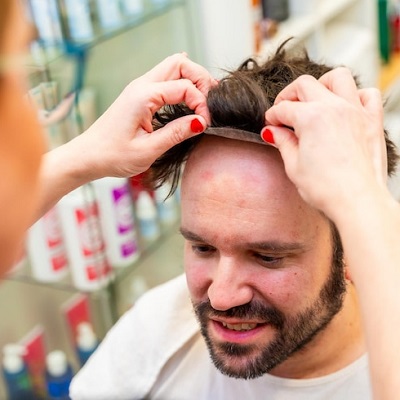
What is the Success Rate of FUT

What is the Success Rate of FUT?

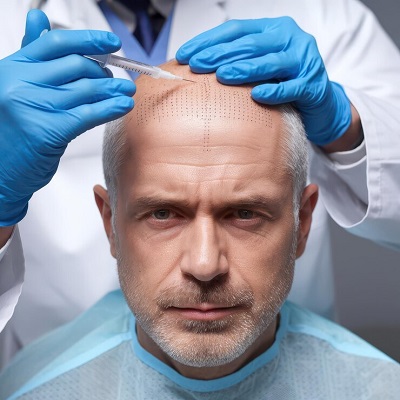
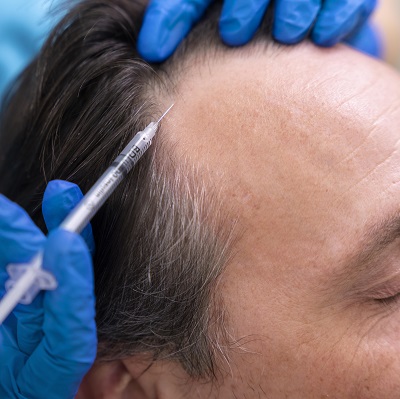
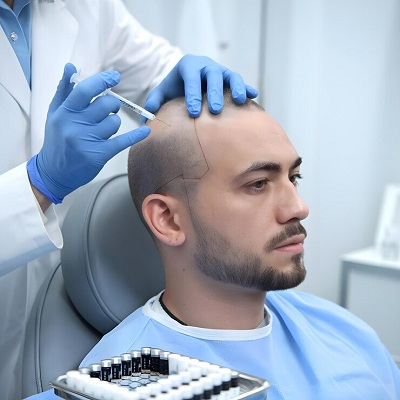
What is the Success Rate of FUTFollicular Unit Transplantation, or FUT, is a well-known technique of permanent hair restoration. The success rate for FUT hair transplant is normally 95%–98 %, or very high, meaning that most people have visible, permanent hair growth post-operatively. This remarkable success rate is the main reason why FUT continues to be the top choice for those looking to stop their hair loss. 

Let’s discuss in detail in this blog what FUT is, how good it is, and what factors are involved in the end results.

What is the Success Rate of FUT?

Follicular Hair Transplant has a very high success rate of 95% and 98%. But choosing the right surgeon is key to success. Always choose a hair transplant specialist.

Compared to other techniques, FUT hair transplant is based on:

  • More grafts per session
  • Higher survival rate
  • Higher hair density

FUT is usually the choice for individuals with extensive baldness who desire fuller outcomes in fewer sitting sessions.

What Influences the Success Rate of FUT?

The following factors contribute significantly to FUT’s success:

1. Surgeon’s Skill and Experience

A talented hair transplant doctor guarantees:

  • Proper graft handling
  • Precise incision
  • Minimal scarring

Always opt for a board-certified, experienced surgeon for the best possible outcome.

2. Donor Hair Quality

Healthy, thick hair from the donor site (typically the back of the head) improves success. Bad donor hair lowers survival rates.

3. After-Surgery Care

Adhering to post-op orders such as staying out of the sun, not scratching the head, and following prescribed medication enhances graft survival.

4. Your General Health

Long-term conditions such as diabetes or thyroid problems may influence hair regrowth. Always share your medical history with your surgeon.

How Long Does It Take to Notice the Effects of FUT?

FUT is not an overnight treatment. Here’s a general timeline:

  • 2–3 weeks: Hairs transplanted fall out (natural course of healing).
  • 3–4 months: New hair begins to grow.
  • 6–9 months: Hair growth and hairline improvement become noticeable.
  • 12–18 months: End result, full, lush hair.

Be patient. FUT is a permanent yet gradual treatment.

Is FUT Better Than FUE?

FUT and FUE both provide excellent outcomes, but FUT is more suited to you if:

  • You require many grafts
  • You don’t have an issue with a linear scar
  • You want a single-sitting procedure with greater graft yield

FUE is less destructive and doesn’t result in a linear scar, but it can take multiple sessions for severe baldness.

Can FUT Fail?

Although uncommon, FUT failure is possible due to:

  • Poor surgical technique
  • Infection or bad aftercare
  • Underlying health conditions

If you choose a hair specialist under your best conditions, failure is almost impossible.

How Much Does FUT Hair Transplant Cost?

In Pakistan, at Royal Hair Transplant,  the cost of FUT is around PKR 70,000 to PKR 200,000, depending on:

  • Number of grafts
  • Clinic location
  • Surgeon’s reputation

Royal Hair Transplant Islamabad, for example, provides low-cost, very successful FUT with professional attention.

Who Is a Good Candidate for FUT?

You might be a good FUT candidate if you:

  • Have stable hair loss (and not shedding)
  • Have sufficient donor hair on the back or sides of your head
  • Are generally in good health
  • Desire permanent, natural-looking results

A consultation with a hair transplant surgeon can verify whether or not FUT is right for your needs.

Is FUT Permanent

In FUT hair transplant, grafts are implanted by cutting a scalp piece bearing hair follicles from the donor site to the recipient site. The harvested hair acts like natural hair with the new hair growth. This all makes it very successful and permanent.

Conclusion

If you’re tired of your hair falling or baldness, then a FUT hair transplant is worth the hype.  It is one of the most successful hair restoration methods to date.

Make sure you:

  • Choose a qualified and experienced surgeon
  • Follow aftercare instructions
  • Have realistic expectations

Book your consultation at Royal Hair Transplant today with our hair transplant specialist, Dr Shanaz Muazzam, and learn how FUT can restore your hair and confidence.

Does FUE hurt

Does FUE hurt?

Does FUE hurtHair transplant is one of the best hair regrowth treatments, but it has a long recovery period. With the help of modern science, FUE hair transplant has emerged as a minimally invasive procedure with less recovery time, but most people still ask: Does FUE hurt? The answer is not really. It causes little discomfort but not a lot of pain. Anesthesia is used to avoid any pain and discomfort by our expert hair specialist, Dr Shahnaz Muazzam, at Royal Hair Transplant, Islamabad.

Read this guide below to learn further about FUE hair transplant.

What Is FUE Hair Transplant?

FUE hair transplant is a minimally invasive hair restoration method in which an individual hair follicle is extracted from the donor area and planted into the recipient area. Unlike FUT, it does not require cutting a whole patch of scalp, which makes its recovery very easy and less painful.

Does the FUE Hurt?

The procedure of FUE hair transplant causes little discomfort, but it is not very painful. Anesthesia is given to the patient before the treatment.  You won’t feel pain after numbing injections, only slight pressure or buzzing from the instruments.

The experience is best described by most patients as “mild discomfort at the beginning” and “numb for the rest of the procedure.” Some people even doze off during the session

How Painful Are the Anesthesia Injections?

This is usually the only slightly uncomfortable moment. The injection itself takes only a pinch or a sting for a few seconds. At Royal Hair Transplant, we employ ultra-fine needles and anesthetic creams to minimize injection pain. When numb, the rest of the process is painless.

What About Pain After FUE?

Immediately After:

  • You might feel tightness, slight soreness, or sensitivity in the donor and transplanted sites.
  • Most patients find it 2–3 out of 10 on a pain scale.

Days After:

  • You may experience mild pain, redness, or swelling.
  • You likely just need to take paracetamol or ibuprofen, both of which you can purchase over the counter. 

Long-Term:

  • No permanent pain.
  • You will feel back to normal within a week, and new hair will start to grow in the next few months.

How Long Does FUE Recovery Take?

  • Days 1–3: Mild swelling and tenderness.
  • Days 4–7: Scabs begin to fall off; discomfort diminishes.
  • Weeks 2–3: Near full recovery.

You can restart most activities, such as gym and swimming, by week 4.

Aftercare 

  • Carefully follow aftercare instructions (particularly the first week).
  • Don’t scratch the donor or recipient site.
  • Sleep with an elevated head for a few nights to minimize swelling.
  • Use medicines prescribed by your doctor for pain.

Is FUE Less Painful Than FUT?

Yes. FUE is much less painful due to:

  • It doesn’t involve any stitches or cutting.
  • There’s less trauma to the scalp.
  • Recovery is quicker and smoother.
  • You won’t get a linear scar, commonly linked with FUT.

Is FUE Worth the Discomfort?

Definitely. Here’s why FUE is so popular:

  • Natural-looking results
  • No linear scars
  • Speedy recovery
  • Long-term hair restoration
  • The minimum discomfort is temporary, while the confidence it provides lasts for years.

Why Choose Royal Hair Transplant in Islamabad?

Royal Hair Transplant is the best clinic for hair transplant or any hair restoration treatment in Islamabad. Here’s why people choose us:

  • We employ advanced FUE technology with high precision.
  • Our staff assures maximum comfort beforehand, during, and afterward.
  • We provide individual consultations, realistic expectations, and professional aftercare.
  • Thousands of Islamabad clients rely on us for painless, safe hair restoration.

Conclusion

If pain anxiety is holding you back from undergoing a hair transplant, be at ease in knowing that FUE is among the least uncomfortable cosmetic treatments today. Since it’s done under local anesthesia, using very gentle methods, and with careful professional service at Royal Hair Transplant, you’ll hardly feel anything at all, just the exhilaration of watching your hair grow back.

FAQs

  • Is FUE hair transplant painful?

No. The surgery is performed under local anesthesia, so you will not feel pain but just some discomfort when the anesthetic is injected.

  • For how long does the pain persist after a FUE procedure?

Most individuals experience mild soreness for 2–3 days. Complete comfort is regained in about one week.

  • Can I return to work following an FUE transplant?

Yes, normally within 3–5 days, depending on the job and recovery process.

Is hair transplant successful in the crown area

Is hair transplant successful in the crown area?

Is hair transplant successful in the crown areaHave you observed a widening bald spot on the lower back of your head and are puzzled whether a hair transplant can repair it? You’re now not alone. Hair loss in the crown location, the peak, is a common problem among men and women. But is a hair transplant truly successful in this area?

Quick Facts:

  • Procedure Name: Crown Area Hair Transplant
  • Best For: Male/female pattern baldness inside the crown
  • Techniques Used: FUE & FUT
  • Downtime: 5–7 days
  • Visible Results: 3 to 6 months
  • Lasting Results: Often permanent
  • Pain Level: Mild pain, workable
  • Sessions Needed: 1–2 (depending on severity)
  • Surgeon: Dr. Shahnaaz Muzzam
  • Clinic: Royal Hair Transplant Clinic Islamabad

Understanding Crown Hair Loss

The crown area is regularly one of the first locations where thinning starts, particularly in men laid low with male pattern baldness. The hair here tends to spiral in pattern, and it can be trickier to cover due to its circular form and the scalp’s curvature. However, contemporary techniques like FUE (Follicular Unit Extraction) and FUT (Follicular Unit Transplantation) have extensive progressive results, even in this difficult zone.

Why the Crown Area is Tricky

Hair transplants within the crown aren’t similar to the ones done inside the frontal hairline. The place calls for

  • High-density grafting for correct insurance
  • Strategic placement to mimic the natural swirl pattern
  • Patience, as regrowth takes time, from time to time, one year or more

Yet despite those challenges, achievement charges are excessive with skilled surgeons and proper planning.

Is the Crown Area Transplant Effective?

Yes! With superior tools, precision, and expert planning, crown transplants can produce herbal, dense, and everlasting effects. Dr. Shahnaz Muzzam, a pro hair healing specialist at Royal Hair Transplant has effectively restored crowns for hundreds of patients through the use of customized techniques.

Key Success Factors:

  • Healthy donor place: More grafts may be placed than inside the front area
  • Surgeon’s expertise: Designing the spiral is an art
  • Post-care compliance: Following aftercare instructions speeds recovery
  • Realistic expectancies: Results take time; however, they’re well worth the wait

Techniques Used in Crown Transplants

There are 2 main approaches:

  1. FUE (Follicular Unit Extraction):

Minimally invasive: a person’s hair grafts are extracted and implanted.

  1. FUT (Follicular Unit Transplantation):

A strip of scalp is eliminated, and follicles are separated before placement.

Most patients opt for FUE because of quicker restoration and minimal scarring, even though FUT may be recommended for extreme baldness or when higher graft counts are desired.

Results to Expect

Results from a crown hair transplant typically begin to appear around 3–4 months post-procedure, with complete growth visible between 9 and 12 months. The transplanted hair will develop completely like your natural hair.

Patient Experiences:

  • Months 1–2: Mild loss (every day)
  • Months 3–6: Fine hairs start to grow
  • Months 6–12: Noticeable improvement in density and sample
  • After 1 Year: Final outcomes, long-lasting, and naturally searching

The Cost of a Crown Hair Transplant in Islamabad

The cost of a crown hair transplant in Islamabad typically ranges from PKR XYZ to PKR XYZ.

This depends on the number of grafts required and the method used. The crown frequently wishes for better density, which can increase the price compared to the front hairline transplants.

Factors That Affect the Cost:

  • Number of grafts required
  • Choice between FUE and FUT
  • Experience of the surgeon
  • Complexity of the baldness pattern
  • Clinic’s area and infrastructure

Book Your Consultation Right Now!

Don’t wait for your crown to thin out; early action delivers higher, denser results. Visit Royal Hair Transplant Clinic Islamabad, where Dr. Shahnaz Muzzam uses her considerable experience and inventive capabilities to repair not just hair but also confidence.

Whether your hair loss is slight or advanced, a tailored consultation will help you decide on the best route of action. Every patient is specific, and so is their hair restoration plan. Take the first step closer to a fuller crown and a more assured you. 

Book your session today: your transformation awaits.

How much does Scalp Micropigmentation (SMP) cost in Pakistan

How much does Scalp Micropigmentation (SMP) cost in Pakistan?

How much does Scalp Micropigmentation (SMP) cost in PakistanHair loss is a very common issue nowadays, but not everyone wants to go for a surgical solution like a hair transplant due to their long recovery period and high costs. In those cases non non-surgical options like scalp micropigmentation are best. But the question is, how much does Scalp Micropigmentation (SMP) cost in Pakistan?

Read this detailed guide to know what scalp micropigmentation is, how it works, and how much it costs in Islamabad, Pakistan.

What Is Scalp Micropigmentation?

Scalp Micropigmentation is a cosmetic tattooing technique. Microneedles inject pigment into the scalp to achieve the appearance of live hair follicles. It’s best suited for individuals with:

  • Bald spots
  • Receding hairlines
  • Thinning crowns
  • Alopecia

It is suitable for both men and women and is a permanent option as opposed to wigs or hair fibers.

Scalp Micropigmentation Treatment Procedure

  • Consultation: Hair loss assessment and hairline design.
  • First Session: Light color layer applied.
  • Second & Third Sessions: Increase density and fine-tune color.
  • Final Touch-Up: Optional, done after 6–8 weeks.

How much does Scalp Micropigmentation (SMP) cost in Pakistan?

The average price of smp starts from PKR per session. The cost of scalp micropigmentation in Pakistan can vary widely depending on several factors, like the number of sessions required, the extent of hair fall, etc. The final cost can only be known in a consultation appointment.

At Royal Hair Transplant, we offer personalized consultations for each patient.

What Affects the Cost of Scalp Micro Pigmentation?

Several factors impact how much you’ll pay for SMP in Pakistan:

1. Extent of Baldness

The more area that needs to be covered, the higher the cost.

2. Number of Sessions

The majority of SMP treatments take 2–4 sessions to achieve optimal results. Each session is an additional cost.

3. Clinic Reputation

High-ranked clinics such as Royal Hair Transplant Islamabad might be more expensive, but you receive quality, hygienic treatments done by experienced professionals.

4. Pigment Quality

High-end clinics utilize FDA-approved, hypoallergenic pigments that are more expensive but guarantee safety and long-term results.

5. Location of the Clinic

Clinics in prime locations of Islamabad may charge more, like clinics in the capital of Pakistan in Islamabad, will have higher charges, but we at Royal Hair Transplant, Islamabad, offer affordable scalp micro pigmentation despite being located in the capital.

What’s Included in the Scalp Micro Pigmentation Cost?

At best, clinics like Royal Hair Transplant, the price typically offer the following:

  • Initial consultation
  • Multiple sessions (typically 2–4)
  • Post-treatment care guidelines
  • Follow-up and touch-up suggestions

Why Choose Scalp Micropigmentation Instead of Hair Transplant?

  • No surgical procedure or scarring
  • No time off, you can lead a normal life on the same day
  • Less expensive initial cost when compared to hair transplants
  • Instantly noticeable results

Is Scalp Micropigmentation Permanent?

No! It is not permanent, but it lasts for 3-5 years if maintained properly. You may need touch-ups as pigments fade away over time. So, to have a fresh appearance, you have to have touch-up sessions.

Does SMP Hurt?

The pain is minimal. The majority of patients report it as slight scratching. Numbing creams can be used to minimize sensitivity.

How to Choose the Right SMP Clinic in Pakistan?

Here’s what to search for:

  • Certified practitioners
  • Clean, sterilized environment
  • Before-and-after portfolio
  • Transparent pricing
  • Consultation before booking

Best Clinic for Scalp Micro Pigmentation in Islamabad

Royal Hair Transplant Islamabad is one of the top cosmetic clinics providing Scalp Micropigmentation in Pakistan. Here’s why it leads the pack:

  • Trained SMP experts with decades of experience
  • Medical-grade pigments and equipment
  • Safe, hygienic surroundings
  • Personalized plans according to your balding pattern
  • Real client reviews and visible outcomes

Conclusion 

Scalp Micropigmentation in Pakistan is a convenient, cost-effective solution to regain the look of thicker hair without surgery. Prices are different, but worth it in the form of confidence and realism provided. Whether one suffers from thinning hair or complete baldness, SMP provides natural results with little upkeep.

For the best outcomes, consider trusted names like Royal Hair Transplant Clinic Islamabad, where you’ll get expert care, high safety standards, and a tailored SMP plan that fits your needs and budget.

Can I Comb my Hair After PRP

Can I Comb my Hair After PRP?

Can I Comb my Hair After PRPIf you have hair PRP for hair restoration, then you must be thinking about several things, what you can do and what you cannot. One of the most asked questions after PRP is “Can I comb my Hair after PRP?” That’s a good thing to ask, as aftercare is very important.
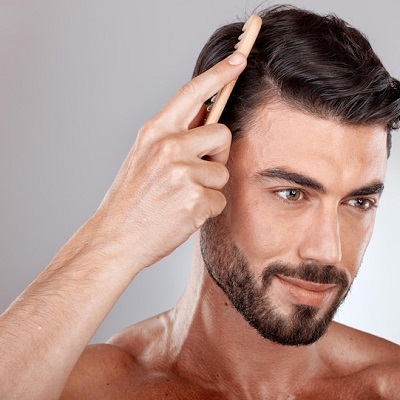
Read this detailed guide to know what you can do and what you should avoid after PRP, and how and when you can comb your hair after the procedure.

What Is PRP Hair Therapy?

It is a non-invasive hair restoration treatment. The procedure is very safe and effective as it involves patients’ blood plasma that is injected into their scalp because of its rich growth factors. It has minimal downtime and maximum long-lasting results.

Can I comb my hair after PRP?

Yes, but gently. While you can comb your hair gently after PRP, wait 24 to 48 hours from the time of your treatment. Your scalp will be sensitive, and the tiny injection points need to settle. 

Why Wait Before Combing

Combing too soon may:

  • Irritate the scalp
  • Upset the injected platelets
  • Increase the chance of inflammation or infection
  • Require unwarranted pain or discomfort

It lets your scalp recover, which gives your PRP the best chance to recover well.

How to Comb Your Hair Carefully After PRP

Once the initial 48 hours have passed, follow the combing instructions below carefully:

Use a Wide-Tooth Comb

Avoid using fine brushes or narrow-tooth combs that tug on your hair. Use a wide-tooth comb and gradually reduce tension on your scalp.

Comb Slowly and Slowly

Start at the ends and brush upwards to avoid pulling on the roots.

Skip Wet Combing Initially

Wet hair is prone to breakage. Practice dry, gentle combing during the first few days after treatment.

Avoid Tight Hairstyles

Do not tie your hair up in tight ponytails or braids. Keep your hair loose and tension-free.

What Else Should You Skip After PRP?

In addition to being delicate when combing, the following are some post-PRP don’ts to safeguard your results:

  • No Washing of Hair for 24–48 Hours
  • Delay washing your hair to prevent irritating the scalp or washing off the PRP serum.
  • Avoid Heat Styling Tools
  • Don’t blow dry, straighten, or use curling irons for a minimum of 2 days.
  • No Chemical Hair Treatments
  • Avoid coloring, perming, or using harsh products for a week.
  • Avoid Heavy Exercise
  • Sweating can make the scalp irritable, so avoid heavy exercise for 24–48 hours.

Will combing disturb PRP success?

Not if done gently and after the waiting time suggested. Aggressive combing or scratching prematurely can interfere with healing.

Can I apply serums or hair oils?

Don’t apply anything to your scalp during the first few days unless cleared by your doctor. Then, very gentle, non-irritating oils or serums may be reintroduced gradually.

Does PRP cause shedding?

Yes, mild temporary shedding can occur after PRP. It’s simply a natural part of the regeneration process and should calm down in a few weeks.

Tips to Maximize Your PRP Results

To maximize your benefits from PRP hair treatment:

  • Eat a balanced diet with iron, zinc, and protein
  • Be gentle with hair products
  • Quit smoking and reduce alcohol consumption
  • Follow your PRP sessions (usually 3–6 sessions with one month in between each session)

Why Choose Royal Hair Transplant Islamabad?

At Royal Hair Transplant, we use the newest PRP techniques with precise injection protocols to deliver effective hair regrowth with minimal discomfort. Our dermatologists provide complete aftercare information, so you’ll know exactly when and how to comb, shampoo, and care for your scalp after every session.

Conclusion 

Yes, it’s safe to brush your hair after PRP, but timing and finesse are everything. At least wait 48 hours, brush very gently, and avoid anything that bothers the scalp for the first few days. Doing the right aftercare will ensure that your PRP treatment brings you the healthy, fuller hair you want.

If you are ready to take that next step towards having your hair restored, book a consultation at Royal Hair Transplant Islamabad with our hair specialist, Dr. Shanaz Muazzam. We’re here to make you look and feel your best, root by root.

Are Hair Transplant Scars Visible

Are Hair Transplant Scars Visible?

Are Hair Transplant Scars VisibleHair transplant is one of the best solutions for hair loss, but most people worry, “Are hair transplant scars visible?” The answer is yes, they are, but not always. With modern hair transplantation techniques like FUE & DHI. It also depends on the healing process and your aftercare routine. 

Read this detailed guide to know further about scarless hair transplant techniques and how they work at Royal Hair Transplant, Islamabad.

Do All Hair Transplants Leave Scars?

Yes, all hair transplants leave some amount of scarring because both the common techniques, FUE (Follicular Unit Extraction) and FUT (Follicular Unit Transplantation), necessitate removing hair follicles from the donor area. However, the amount of scarring and how visible it will be depends on.

FUE vs. FUT: Which Leaves More Noticeable Scars?

FUE (Follicular Unit Extraction)

  • How it works: Punches are used one follicle at a time to extract them.
  • Scarring: Small dot scarring from extracting the follicles.
  • Visibility: Usually pretty much invisible, especially if your hair is kept somewhat longer.
  • Best for: Those who prefer to have their hair short after the transplant.

FUT (Follicular Unit Transplantation)

  • How it works: A small strip of scalp is removed, and follicles are extracted from it.
  • Scarring: Leaves a linear scar on the back of the head.
  • Visibility: Can be hidden by longer hair, but is visible with short hairstyles.
  • Best for: Patients who need extra grafts and those who plan to wear their hair long.

Yes, hair transplant scars are permanent, but they also fade with time and can become nearly invisible if:

  • The procedure is conducted by a skilled surgeon
  • You adopt a proper aftercare routine
  • You avoid sun exposure and infection during healing

Our experienced surgeons at Royal Hair Transplant Islamabad utilize precision tools and advanced techniques to reduce scarring as much as possible.

What Affects Scar Visibility?

A number of factors determine how visible your scars will be:

  1. Surgeon’s Skill

An experienced and trained surgeon will know how to extract and transplant follicles with fewer traumatizations of your scalp.

  1. Skin Type

Others are more likely to become apparent scarring, especially when they have keloid-prone skin or very pigmented skin.

  1. Aftercare

Proper cleaning, avoiding the sun, and using prescribed healing ointments can speed recovery and reduce scarring.

  1. Hair Style

Shorter haircuts will reveal scars, especially FUT scars. It helps to keep your hair a little longer to camouflage them naturally.

Can Hair Transplant Scars Be Visible After Recovery?

Small scars from most FUE procedures become barely noticeable after a few months, especially if your hair is covering the donor area well afterwards.

With FUT, the linear scar can remain noticeable if you shave very close. With good placement and healing, however, it’s hidden for most people with typical-length hair.

Can Hair Transplant Scars Be Treated?

Yes, if you don’t like the look of your hair transplant scars, there are many treatments:

  1. Scalp Micropigmentation (SMP)

A type of cosmetic tattoo that implants pigment to hide the scar from view on your scalp.

  1. Laser Scar Treatment

Reduces the scarred texture and color difference.

  1. Scar Revision Surgery

In some cases, the original scar can be enhanced or camouflaged surgically using new grafts.

How to Reduce Noticeable Scars

If you have not yet had your procedure, here’s how to reduce your risk:

  • Choose a qualified, skilled hair transplant surgeon
  • Discuss FUE with your surgeon if reducing scarring is important to you
  • Adhere to your aftercare instructions exactly
  • Avoid scratching or picking at the healing scalp
  • Protect your scalp from the sun

Why Choose Royal Hair Transplant for Scar-Free Hair Transplants

We provide specialized minimally invasive FUE hair transplants in Royal Hair Transplant, Islamabad, that reduce scarring and deliver maximum natural results. We utilize micro-sized extraction tools, personalized healing pathways, and advanced technology to get your result to look good up close and in the distance.

We think that natural hairlines, hidden donor areas, and long-lasting results are our priority, with less scarring.

Conclusion

So, are hair transplant scars visible? They can be, but with present-day FUE techniques, they’re typically minimal and simple to disguise, especially in a pro’s hands. With the correct technique and sticking to the right aftercare routine, the difference in the world your scalp looks after healing makes is significant.

If you’re looking for a trusted clinic in Islamabad that offers scar-minimizing hair transplant solutions, book your consultation with Royal Hair Transplant Islamabad today.

How Many Grafts Can Cover the Crown

How Many Grafts Can Cover the Crown?

 The most affected area of hair fall is the crown. Most of the victims are opting for a hair transplant. How Many Grafts Can Cover the Crown? 

The crown, or vertex, is a common area for hair loss, especially in men. And even though it may seem like a small area, it usually requires more grafts than you might think due to the swirl pattern and the depth of baldness.

Let’s discuss further about crown hair transplant, how many grafts are needed, and factors influencing the number of grafts.

What Is the Crown Area?

The crown is the topmost back part of your head, where hair grows in a corkscrew pattern. It’s one of the last areas to bald out, but also often one of the toughest to conceal. Balding in this area can make your scalp look severely thin, even if your other hair isn’t thinning.

How Many Grafts Can Cover the Crown?

Average Graft Need

  • Mild thinning: 800–1,000 grafts
  • Moderate baldness: 1,200–1,600 grafts
  • Severe crown baldness: 2,000–2,500+ grafts

These are approximate and can vary based on your scalp laxity, hair type, hair density, and size of the aging area.

Why the Crown Needs More Grafts

You might be thinking: “Why is such a tiny area going to need so many grafts?” Here’s why:

  • Circular swirl pattern: Requires very specific angling and placement of every graft
  • Scalp curvature: Makes natural coverage more difficult to achieve

Thicker appearance takes more density, especially with dark or coarse hair. To cover the crown completely in a natural look, the grafts need to follow the natural curl and be of appropriate density, typically higher than the frontal or hairline region.

How Do Surgeons Calculate Needed Grafts?

Surgeons use a few different methods:

  • Scalp Mapping: Measuring the region in cm² and multiplying it by the desired density
  • Norwood Scale: Helps to assess the degree of balding
  • Hair Qualities: Thickness, colour, and curl can reduce the number of grafts to be employed
  • Strength of the Donor Area: Dictates how many grafts can be harvested without endangering safety

In Royal Hair Transplant Islamabad, our specialists analyze your crown with the latest digital equipment to give you an accurate graft estimate and treatment plan.

Is it Possible to Cover the Crown in One Session?

Yes, in most cases you can, but sometimes you cannot. If your crown area is widespread or you have diffuse thinning, your surgeon can recommend:

  • Two procedures to reach maximum density
  • Treating the front and mid-scalp (which defines the face) first

Why? The front is more visible than the crown. Strategically, surgeons can employ more grafts in the front for a better cosmetic result.

What Happens If You Don’t Use Enough Grafts

  • If you try to cover the crown with insufficient grafts, you may:
  • End up with a patchy outcome
  • Spoil your donor’s hair
  • Require corrective surgery at a later time
  • It makes sense to plan for coverage rather than do it halfway.

What’s the Best Hair Transplant Method for the Crown?

FUE (Follicular Unit Extraction)

  • Minimally invasive
  • Ideal for the precise placement of grafts in the swirl pattern of the crown

DHI (Direct Hair Implantation)

  • Greater control over angle and direction
  • Saves graft handling time

Both techniques are offered at Royal Hair Transplant, depending on your crown pattern and hair condition.

Will Hair Transplanted in the Crown be Natural-Looking?

Yes! If properly placed. An experienced surgeon will:

  • Rebuild the natural swirl pattern
  • Use the right density
  • Achieve unnoticeable blending with the existing hair

The crown area grows quicker than any other, expect noticeable results in 6–12 months after the transplant.

Can the Crown Prevent Balding After a Transplant?

Yes. You can still lose your hair if you’re not maintained on therapy. That is why post-operative care is necessary. Your physician may also suggest:

  • Finasteride or Minoxidil
  • PRP treatment
  • Regular follow-ups to keep tabs on the native hair surrounding the area

Book Your Consultation With Us

So, How Many Grafts Can Cover the Crown? Between 800-2,500+ grafts, depending on the size of the bald spot, your hair textures, and the amount of desired density. It’s wise to have a candid consultation to schedule the correct number of grafts for long-term success.

At Royal Hair Transplant Islamabad, we offer natural crown hair restoration with advanced FUE and DHI procedures. Our expert hair specialist, Dr Shahnaz Muazzam, customizes each operation based on your hair structure, crown size, and long-term goals. Book your consultation now and have fuller and healthier hair.

Do hair transplants work on the crown

Do hair transplants work on the crown?

Do hair transplants work on the crownDid you already know that the crown (or vertex) is one of the first and most stubborn areas to show symptoms of hair loss, especially in men? Many human beings begin noticing a small, round bald spot that progressively expands over time. While this might appear to be a beauty problem at the start, it could take a toll on self-esteem. If you’re wondering, “Do hair transplants work on the crown?” the short answer is yes, actually, however, with professional care. Let’s discover how crown hair transplants work, what consequences you may anticipate, and whether it’s the right choice for you.

Quick Facts:

  • Procedure Time: 4–8 hours (relying on grafts)
  • Anesthesia: Local
  • Downtime: 3–7 days
  • Scarring: Minimal to none (specifically with FUE)
  • Results Duration: Long-lasting with proper care
  • Pain Level: Mild to mild (without difficulty controlled)

Understanding Crown Hair Loss

The crown is the top again, part of the scalp, and it’s often one of the largest areas for thinning hair or baldness. The pattern usually appears as a small circular spot that expands slowly, occasionally leaving a “bald island” even when the hairline stays intact.

This sort of hair loss is particularly due to androgenetic alopecia (genetic hair loss); however, other elements like stress, a bad food diet, and medical conditions also can play a role.

Crown restoration is precise because of the spiral boom sample of the hair, making it more technically challenging than frontal hair transplants. That’s why it’s important to choose a professional and experienced surgeon.

Do Hair Transplants Work on the Crown?

Yes, hair transplants are exceptionally effective at the crown when carried out well. In this process, healthy hair follicles (normally taken from the rear or sides of the scalp) are transplanted into the bald or thinning areas.

Due to the circular direction of hair boom in the crown, the general practitioner has to cautiously locate every graft at an appropriate angle for a herbal look. This meticulous manner ensures the transplanted hair blends seamlessly with your existing hair.

It’s crucial to note that crown transplants might also require greater grafts than other regions, especially if the bald spot is large or if hair loss is progressing. But with persistence and right-making plans, awesome consequences can be achieved.

What to Expect During the Procedure

  • Consultation: You’ll meet with a hair restoration professional to assess your hair loss and determine if you’re an awesome candidate.
  • Donor Area Harvesting: Using FUE (Follicular Unit Extraction) or FUT (Follicular Unit Transplantation), grafts are collected.
  • Graft Placement: The surgeon carefully implants the follicles into the crown area following the natural growth sample.
  • Recovery: Mild swelling or redness may additionally arise. Most patients go back to regular sports in a few days.
  • Results Timeline: New hair starts developing after three months, with full outcomes seen within nine–365 days.

Who is the Right Candidate?

You may be a suitable candidate for a crown hair transplant if:

  • You have solid hair loss (not hastily progressing)
  • You possess enough donor hair on the returned or aspects
  • You are in true, well-known fitness
  • You have practical expectations

The Cost of a Crown Hair Transplant in Islamabad

The cost of a crown hair transplant in Islamabad commonly ranges from PKR XYZ to PKR XYZ.

The charge relies upon numerous elements, consisting of the quantity of grafts required and the approach used (FUE or FUT). Despite being a specialized process, it offers everlasting effects, making it a smart long-term investment.

Cost-Influencing Factors:

  • Number of grafts wanted (larger bald spots need extra)
  • Technique used (FUE is commonly more costly than FUT)
  • Surgeons’ experiences and credentials
  • Location and greatness of the area
  • Post-operative care and medications were blanketed

Book Your Consultation Now!

Choosing to repair your crown isn’t just about aesthetics; it’s about restoring your self-assurance, presence, and experience of self. At Royal Hair Transplant Clinic Islamabad, Dr. Shahnaz Muzzam, an exceedingly skilled and compassionate hair restoration healthcare professional, brings her years of experience and inventive precision to every transplant process.

She understands that every crown case is exclusive and uses superior strategies to ensure natural-looking, long-lasting effects that enhance, no longer simply replace, your hair.

If you’ve been hiding under hats or avoiding mirrors, it is time for an alternative. Schedule your one-on-one consultation nowadays and begin your adventure to a fuller crown and a brighter you!

Why is FUT better than FUE

Why is FUT better than FUE?

Why is FUT better than FUEThinking about a hair transplant, however, I don’t know which method is better, FUT or FUE. You’re not on your own. Choosing between these two famous techniques can be difficult. But if you’re looking for long-lasting outcomes, higher hair density, and cost-effective treatment, FUT (follicular unit transplantation) can be the more intelligent choice.

What’s the Difference Between FUT and FUE?

Let’s first look at the basics to recognize why FUT can improve.

  • FUT (Follicular Unit Transplantation), also known as the strip technique, involves removing a small strip of skin from the back of the head. Hair follicles are then carefully separated under a microscope and transplanted into the bald regions.
  • FUE (Follicular Unit Extraction) extracts character hair follicles without delay from the scalp using a micro-punch tool. These are then implanted one by one.

While each strategy is robust, FUT stands out in certain conditions, especially when maximum density and graft amount are key concerns.

Understanding the Fundamental Difference 

That allows you to make a better decision.

FeatureFUT (Follicular Unit Transplantation)FUE (Follicular Unit Extraction)
Graft ExtractionA strip of scalp is eliminatedIndividual hair follicles are extracted
Number of GraftsHigher in a single sessionLimited to one session
Healing TimeSlightly longer due to incisionFaster with minimal soreness
ScarringThin linear scar (hidden through hair)Tiny dot scars throughout the donor region
Hair DensityUsually higherModerate to high
Shaving RequiredNot necessarilyUsually required
CostMore reasonable for huge graftsCan be high-priced in more than one session
  • FUT Offers More Grafts in One Go

You may need 3,000+ grafts for substantive coverage if you have significant hair loss. FUT lets surgeons harvest many grafts in a single consultation, making it an extra efficient and value-effective choice compared to FUE.

  • Better Hair Density and Natural Results

FUT uses the most dense region of your scalp, the root of your head. When the sturdy follicles are transplanted, they give you a fuller, more natural-looking result. Plus, considering grafts are organized below a microscope, there’s much less threat of damage and better follicle survival.

  • No Need to Shave Your Whole Head

Unlike FUE, which often requires shaving your scalp, FUT only needs a small strip shaved at the back. This strip is then hidden by the closing hair, allowing you to return to daily life discreetly.

  • FUT Is Budget-Friendly for High Graft Counts

Since FUT provides more grafts in one session, you save money and time. FUE classes for excessive graft counts can add up fast. For many, FUT offers a high-quality price that is consistent with the graft.

  • Better Option for Future Procedures

Planning? FUT allows you to keep more of your donor area, providing flexibility for future remedies. On the other hand, FUE uses up more floor area of your scalp for each session.

What Dr. Naveed Azhar Recommends

According to Dr. Naveed Azhar, FUT remains the gold standard for sufferers who want complete coverage and natural density. While FUE is an exceptional choice for some instances, FUT affords extra management, performance, and consequences, mainly for large strategies.

Cost of FUT Hair Transplant in Pakistan

The cost of FUT hair transplants typically ranges from PKR XYZ to PKR XYZ. This depends on the number of grafts needed and the complexity of the procedure. For someone requiring greater coverage, FUT is usually more affordable than a couple of FUE sessions.

Cost Factors to Consider:

  • Number of grafts required
  • Clinic’s location and recognition
  • Surgeon’s expertise and experience 
  • Post-operative care and follow-ups
  • Use of advanced tools or techniques

Book Your Consultation With Us!

Don’t wait for hair loss to worsen. Take care these days. Book your session with Dr. Naveed Azhar and get a customized treatment plan tailored to your needs. Expert guidance could make all the difference, whether you are simply beginning to notice hair thinning or dealing with severe hair loss.

Visit Royal Hair Transplant in Islamabad, a relied-on name in Pakistan, for moral, secure, and proven hair restoration treatments. The proper recommendation and the right hospital may want to repair not just your hair, but also your self-belief.

Can I Regrow Hair on the Crown

Can I Regrow Hair on the Crown?

Can I Regrow Hair on the CrownOne of the most common areas that suffers from hair loss is the crown. It can be very annoying and heartbreaking to lose your hair. Most of the patients worry that “Can I regrow hair on the crown?” 

The answer is yes!  You can. With the advancement in the medical and cosmetic sectors, it is now possible to regrow your lost hair. The only thing you should do is to consult a hair specialist in the early stages and choose the best clinic and hair specialist.

Let’s discuss the causes of hair loss and treatment options available at Royal Hair Transplant, Islamabad.

What Is Crown Hair Loss?

Crown hair loss occurs at the top, rear section of your head, or the “vertex.” It usually begins as thinning hair, followed by a noticeable bald spot.

The most common reasons are:

  • Genetic hair loss (Androgenetic Alopecia)
  • Poor circulation or scalp health
  • Stress and hormone fluctuations
  • Nutritional deficiencies
  • Tight hairstyles or scalp trauma

Can I regrow hair on the crown?

Yes! but with a catch. Hair follicles in the crown region can become dormant because of heredity or reduced blood flow. If they are still alive, they can be reactivated with proper treatments. Hair can regrow if:

  • You catch the thinning early
  • Follicles are still active (not entirely dead)
  • You apply tried-and-tested hair restoration techniques

After a follicle is fully scarred or killed, regrowth will be improbable. That is why early treatment is important.

How to Know If There’s Regrowth Possible

The following are some indications that crown hair regrowth may be possible:

The spot appears thin, but still has hair

  • You notice hair that’s fine or peach fuzz, which can be made thicker
  • You don’t notice any shiny or smooth bald area (which means scarred follicles)

If in doubt, a trichologist or hair expert can analyze your scalp under magnification and suggest a treatment plan.

Best Treatment to Regrow Hair on the Crown

These are the most beneficial and commonly prescribed treatments for hair restoration of the crown:

PRP Therapy (Platelet-Rich Plasma)

  • Involves injecting your blood plasma into the scalp
  • Stimulates hair follicles and thickens hair density
  • Performed in sessions (typically 3–6)

Exosome Therapy

  • Cutting-edge regenerative therapy with stem cell-derived exosomes
  • Enhances cellular repair and hair follicle growth
  • Less invasive, no surgery, promising for early-stage crown thinning

Microneedling

  • Affects the scalp using tiny needles
  • Enhances absorption of topical treatments
  • Helps to reactivate dormant hair follicles

Hair Transplant (FUT/FUE)

  • If baldness is severe and the follicles are lifeless
  • Hair is grafted from a donor site (the back of the head)
  • Gives permanent and natural-looking results on the crown

How Long Does It Take to Regrow Hair on the Crown?

Regrowth doesn’t happen overnight. The majority of treatments will take 3 to 6 months before you see noticeable changes. It could be up to a year for the full results, depending on how your body responds and what treatment you have. Be patient, consistency is everything.

Best Hair Transplant Clinic in Islamabad

If your crown hair loss is only recently starting or has recently increased, the sooner you act, the better. Royal Hair Transplant in Islamabad is one of the best clinics for hair restoration treatments. We have professional diagnosis and a tailored regrowth program, whether you require PRP, exosomes, or a transplant. Our hair specialist, Dr. Shahnaz Muazzam, will customize the treatment plan as per your needs and requirements so you can have full and healthy hair.

Book Your Consultation Today!

It is very much possible to regrow your hair if you detect the issue in the early stages and consult a hair specialist right away. At Royal Hair Transplant, we offer a number of hair restoration treatments, from PRP to Hair Transplant and many more.

If you’re ready to restore your confidence, don’t wait. Visit Royal Hair Transplant today and get your hair consultation. We provide customized hair restoration solutions in Islamabad that fit your stage of hair loss. Start your hair growth journey with us.