Your Path to a Masculine Look: Beard Transplant in Islamabad

Your Path to a Masculine Look: Beard Transplant in Islamabad

Your Path to a Masculine Look: Beard Transplant in Islamabad

A big, well-defined beard is a sign of confidence and manhood. Not all guys are born with abundant facial hair. Some men suffer from thin or patchy beards because of past accidents, hormone problems, or genetics. However, you might find a beard transplant in Islamabad to be the best solution for a fix. Moreover, in this blog, we will discuss beard transplant, its process, benefits, costs, and top clinics in Islamabad.

What Is a Beard Transplant?

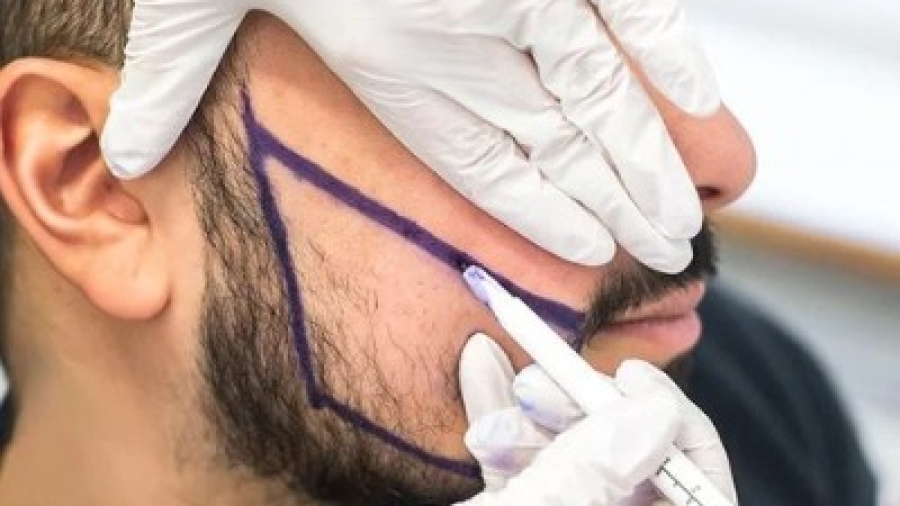
In beard transplant hair cells from one area of the body typically the scalp are moved to the beard area. Furthermore, this makes the beard look bigger and more natural. You can style or shorten the transferred hair as desired, and it grows similarly to real facial hair.

What Techniques Are Used in Beard Transplant?

For beard patches, there are two main methods:

Follicle Unit Extraction (FUE)

The donor area, often the back of the head, provides individual hair cells that are transferred to the balding area.

  • It is slightly invasive and scar-free.
  • faster time to recover.

Follicle Unit Transplantation (FUT)

A strip of skin containing hair is taken from the donor area, and then follicles are recovered and returned.

  • leaves the source spot with a straight scar.
  • appropriate for people who require more grafts.

Benefits of a Beard Transplant

Permanent and Real-Looking Outcomes: The moved hair feels and looks very real as it grows.

Increased Self-Confidence: A bigger beard improves the look of the face and increases self-assurance.

Low Maintenance: As the moved hair grows naturally, there’s no need for pricey beard growth creams or treatments.

Scar Coverage: Scars from past surgeries or injuries may be less prominent with a beard transplant.

Beard Shape Customization: You are free to pick the shape and form of your beard based on your personal preferences.

Who is a Good Candidate for a Beard Transplant?

A beard move might be an excellent choice for you if:

  • Your facial hair grows randomly or in spots.
  • You have enough donated hair on your head.
  • Burns or scars on the face should be hidden.
  • You are in good health and do not have any big illnesses that could delay your ability to heal.

Procedure and Recovery

  • The surgeon examines both the donor hair availability and the beard growth pattern.
  • First, the surgeon extracts hair follicles from the donor site by using FUE or FUT techniques.
  • A surgeon implants the recovered follicles into the beard area.
  • Complete healing takes around two weeks, however, there may be some minor redness and stiffness for a few days.
  • After 3–4 months, transplanted hair begins to grow, and after 6–12 months, the full results become clear.

Best Clinic for Beard Transplant in Islamabad

Royal Hair Transplant is known for its advanced methods and high success rate in Islamabad, one of the most famous clinics for beard transplants. Therefore, Dr. Naveed Azhar is a prominent hair transplant surgeon and executes the most recent FUE techniques to deliver permanent natural-looking results. People seeking a natural-looking and fuller beard can select Royal Hair Transplant because the clinic provides optimum facilities and customised treatment options.

Cost of Beard Transplant in Islamabad

The Cost of a beard transplant in Islamabad starts within the range of PKR 85,000 to PKR 125,000. However, this is an estimated price and the actual cost may depend on the factors mentioned below:

  • Number of grafts required,
  • Clinic’s reputation, 
  • Surgeon’s expertise,
  • Types of Transplant.

Final Thoughts

The surgical procedure of beard transplant provides patients with both safety and efficiency to obtain a thick masculine beard that lasts permanently. Visit the best hair transplant specialist holding a license in Islamabad for consulting options regarding permanent solutions to address your sparse beard growth. Visit Royal Hair Transplant in Islamabad and consult with our best hair transplant surgeon Dr Naveed Azhar so that you can have a natural, well-groomed beard that improves your look and self-esteem with the right surgery and treatment.
What Are the Latest Advancements in Hair Restoration?

What Are the Latest Advancements in Hair Restoration?

What Are the Latest Advancements in Hair Restoration?

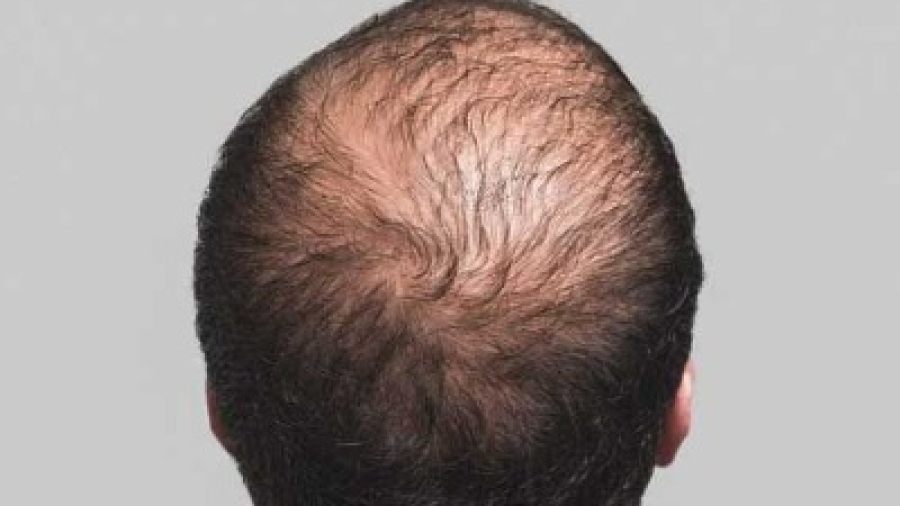
Millions of people throughout the globe experience hair loss. Alopecia creates confidence and self-esteem issues despite the reason being genetic inheritance, advanced age hormonal changes, or medical disorders. The progress made in hair restoration technology allows people to recover their hair through tools and technologies. Here in this blog, we will discuss the most modern methods of hair restoration treatment in Islamabad.

Follicular Unit Extraction (FUE) 

Follicular unit extraction also known as FUE has experienced significant advancement during the recent years to become a popular hair restoration method. Hair cells derived from a source area are replaced and inserted into both bald locations and thinning zones.

Recent Developments in FUE:

  • The combination of artificial intelligence enables robotic-FUE systems to correctly extract follicles and reduce hair graft damage leading to enhanced survival rates.
  • Industrial tools designed for graft insertion have shortened operating durations while generating natural hair outcomes.
  • The No-Shave FUE process enables treatment as it allows patients to receive their FUE procedure without requiring haircuts.

Platelet-Rich Plasma (PRP) Therapy

Popularity keeps rising for PRP therapy which serves as a hair loss treatment without requiring surgery. The blood drawing procedure using a small patient blood sample becomes enriched with platelets through treatment before using it for therapy.

Recent Advancements in PRP Therapy:

  • The same method has become more effective for hair renewal after expert improvements that added growth factors and stem cells to Bio-enhanced PRP.
  • The combination of PRP with microneedling improves hair cell response and enhances treatment effectiveness.
  •  To boost uptake and efficiency, multiple places now give low-level laser treatment before PRP shots.

Stem Cell Therapy for Hair Growth

One of the most interesting results in hair renewal is stem cell treatment. Therefore,  this method helps natural growth by rebuilding hair shafts using the patient’s stem cells.

New Developments in Stem Cell Treatment:

Exosome Therapy: Growth factors found in exosome created from stem cells boost hair shafts and improve hair growth.

Nanotechnology in Stem Cells: Researchers are trying to improve the flow of stem cells to the brain by utilising nanoparticles.

Stem cells taken from a patient’s fat tissue have proven great effects in terms of hair growth.

Low-Level Laser Therapy (LLLT)

Low-Level Laser Therapy (LLLT) is a non-invasive treatment that uses laser light to stimulate hair cells and boost hair growth.

New Developments in LLLT:

Wearable Laser Devices: Users may simply do LLLT at home with the help of better laser collars and caps.

AI-Powered Laser Therapy: Depending on the patient’s pattern of hair loss, numerous places now utilize AI to change laser treatment.

LLLT is sometimes used in tandem with PRP and external treatments for better results.

Hair Cloning 

The testing method of hair cloning has the chance to change hair production in the future. This includes utilizing a patient’s cells to create new hair follicles in a lab and then returning them to the head.

Recent Developments in Hair Cloning:

Scientists have successfully rebuilt hair shaft cells in a lab, showing promise for endless hair growth. They are creating fake hair follicles using 3D printing technology. Hair cloning is in advanced testing stages and may become a reality within the next 10 years, despite not being easily available today.

Oral and Topical Medications

Scientists are continually exploring new drugs and external options to fight hair loss.

New Developments in Drugs for Hair Loss:

Minoxidil Foam for Better Absorption: Minoxidil is now available in a new form that has improved hair penetration.

Plant-Based Hair Growth Serums: As an option for chemical treatments, natural serums containing plant extracts, biotin, and caffeine are becoming more and more popular.

Final Thoughts:

With the rise of hair restoration methods, patients today have more choices than ever before. There is hope for hair recovery, regardless of your choice for non-invasive treatments like PRP and LLLT, surgical methods like FUE, or cutting-edge technology like hair cloning. Therefore, to find the best treatment for your needs, visit Royal Hair Transplant in Islamabad and consult with our best surgeon Dr Naveed Azhar if you are experiencing hair loss. It’s now easier than ever to get a better, bigger head of hair thanks to these great innovations!

hair loss treatment in Islamabad

Struggling with Hair Loss? Discover the Best Solutions in Islamabad

hair loss treatment in Islamabad

People from both genders along with every age group are concerned about their disappearing hair. The causes of genetics and fear as well as illnesses and lifestyle choices result in hair loss that reduces self-esteem and confidence. Islamabad offers multiple useful solutions to address both bald spots and extreme hair loss alongside hair thinning problems for restoring your confidence and hair health.

In this blog, we will discuss hair loss treatments in Islamabad and the best solutions together with selection recommendations.

Understanding Common Causes Of Hair Loss:

Before selecting an answer individuals need to identify the fundamental causes of their hair loss. Typical reasons include:

Genetics (hair loss that is passed)

The leading reason behind hair loss affecting men and women is androgenetic alopecia or pattern baldness. The primary sign of hair loss takes the form of either hair drops or bare spots on the scalp.

Hormonal Change

Thyroid problems along with pregnancy and menopause cause hair to fall out because of hormonal changes.

Nutritional Deficiencies

The absence of protein and iron together with biotin deficiency results in hair thinning.

Stress and Lifestyle Factors

Unhealthy food habits, sleep deprivation, and extreme worry may all cause hair loss.

Medical Conditions and Medications

  • Hair loss may be brought on by illnesses including alopecia areata, head infections, or drugs.
  • Let’s examine the top hair loss choices offered in Islamabad now that we know the reasons.

Best Hair Loss Solutions in Islamabad:

Modern and effective hair loss choices are offered in Islamabad. The following are a few of the most often-used solutions:

Hair Transplant Surgery

A hair transplant is the best long-term choice if you have major hair loss or constant bald places.

The process includes moving hair cells from the back of the head into bald places.

Follicular Unit Extraction (FUE) and Follicular Unit Transplantation (FUT) are the two most used ways.

Benefits

  • Results that are long-lasting and seem natural
  • No need for ongoing care the great chance of success

Platelet-rich plasma, or PRP

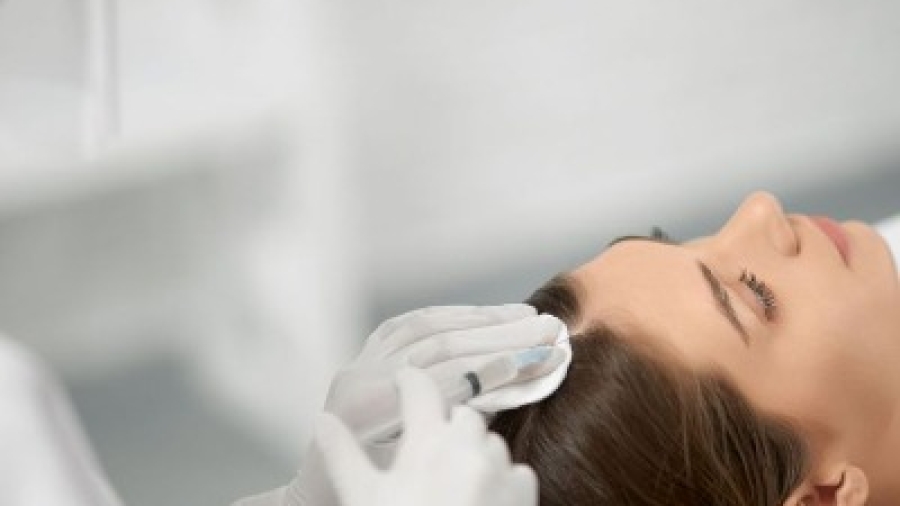
PRP is a non-surgical treatment that uses the patient’s blood to boost hair growth.

Procedure: 

  • To clear platelet-rich plasma, a tiny amount of blood is taken and processed.
  • The plasma is pumped into the head to boost hair cells and support growth, the plasma is pumped into the head.

Advantages:

  • It Stops more hair loss and encourages the growth of natural hair
  • No big bad effects or downtime

Micropigmentation of the Scalp (SMP)

SMP is a cosmetic tattooing method that looks like stronger hair. A micropigmentation machine is used to add tiny color spots to the head. It gives the idea of longer or shaved hair.

Benefits: 

Excellent pick for those with bald spots or losing hair.

Long-lasting and non-invasive less expensive than a hair transplant

Mesotherapy for Hair Loss

A slightly invasive process called mesotherapy gives the head quick access to vitamins, minerals, and growth factors.

Procedure: 

The head is filled with a mix of important nutrients and drugs.

This improves hair cells and boosts blood circulation.

It helps the base of hair improve the growth of hair

Laser Therapy at Low Levels (LLLT)

 Red light treatment is used in LLLT, a painless, non-invasive process, used to support hair growth.

Procedure: 

Weak hair follicles are recovered by the laser’s increased blood flow to the head.

It increases hair growth organically

No pain or possibly can be used in combination with other ways.

How to Choose the Right Hair Loss Treatment?

Your amount of hair loss, financial situation, and personal goals will all influence which way is best for you.

The best choice if you have major loss is a hair transplant. If your hair loss is mild to extreme, PRP, mesotherapy, or LLLT may be useful. Scalp micropigmentation is a great choice if you’re looking for a fast, non-surgical fix. To find out which method is best for you, it’s always smart to speak with an Islamabad hair repair expert Dr Naveed Azhar to know the best treatment for you.

Final Thoughts:

Although hair loss may be annoying, Islamabad offers useful choices. There is a treatment that fits your wants whether you decide on a hair transplant, PRP therapy, mesotherapy, or SMP.

To recover your confidence and a bigger head of hair, visit Royal Hair Transplant in Islamabad and book an appointment with a professional right now if you are facing hair loss.

 What’s the Science Behind PRP Hair Restoration?

What’s the Science Behind PRP Hair Restoration?

 What’s the Science Behind PRP Hair Restoration?

People from both genders share the concern of hair loss so they seek efficient solutions that help restore hair and boost their self-assurance. PRP treatment represents one of the commonly used methods that people generally accept as an effective solution. Here in this blog, we will discuss the science behind PRP treatment in Islamabad together with its popularity factors for hair regrowth will be explained here.

What Is PRP Hair Restoration?

The non-surgical PRP hair regrowth treatment makes use of blood from the patient to stimulate hair growth. Surgeons treat platelet-rich plasma before returning it to the brain through a small quantity of blood. The growth factors in PRP support cell renewal, promote the creation of natural hair and help in the healing of broken hair shafts.

The Science Behind PRP Therapy:

PRP treatment is particularly useful because of the platelets, which are small blood cells important in tissue growth and repair. In addition, platelets contain growth factors that are important for cell repair, pain control, and collagen production.

PRP shots for the scalp:

  • Enhanced blood circulation toward hair cells occurs through PRP treatment which provides the cells with necessary oxygen and nutrients.
  • The procedure activates weak and dormant hair follicles which produce new hair strands through PRP treatment.
  • Three consecutive phases known as anagen (growing), catagen (transitional), and telogen (resting) are involved in hair development. Through extended anagen phase duration PRP maintains the development of embedded stronger hair.
  • The elimination of inflammation appears as one of the many health indications linked to hair loss. PRP possesses anti-inflammatory agents that establish an optimal scalp condition that promotes hair development.

How is PRP Hair Restoration Performed?

The PRP process is easy, quick, and safe, and it normally takes 30 to 60 minutes. Here’s what to expect:

Step 1: Blood Collection

A surgeon draws a small amount of blood from the patient’s arm.

Step 2: The Centrifugation Process

Doctors use a centrifuge to sort its different components, storing the blood sample. This process is done to separate red blood cells and other blood components from the platelet-rich plasma (PRP).

Step 3: PRP Extraction

The pure PRP is collected and put in an IV tube after separation.

Step Four: Scalp Injections

A surgeon carefully applies a PRP treatment to the areas of the head where hair loss or thinning is most noticeable. 

Benefits of Natural and Safe PRP Hair Restoration

  • The blood cells used to make PRP originate from the patient so they will never trigger rejection or allergic reactions.
  • In comparison to hair transplants, PRP treatment involves slight invasiveness but does not lead to cuts stitches, or scarring.
  • Patients who need medical attention can resume their everyday work activities because the recovery period is brief.
  • It is helpful for different types of hair Loss.
  • PRP addresses both male and female pattern baldness as well as hair thinning problems and medical along with anxiety-related hair loss.

Extended beneficial effects for hair health and growth can be achieved through proper PRP treatment along with supplementary maintenance.

Who Is a Good Candidate for PRP Hair Therapy?

PRP hair growth is helpful for people who are dealing with:

  • Hair loss from minor to major Genetic hair loss, or alopecia androgenetic
  • Hair loss during pregnancy
  • Stress or illness-related hair loss

It may not be as good for people with major thinning or total hair loss. However, in rare cases, hair replacement might be a better choice.

How Many PRP Sessions Are Needed?

Most people require three to four sessions spread four to six weeks apart for best results. With care treatments every six to twelve months, hair growth may be maintained over time.

Are There Any Side Effects?

PRP treatment is a safe, well-tolerated method with few side effects. Some people may experience minor heat or pain where the shot was given.

  • Small marks on the head that cause short-term pain (rare)
  • These unpleasant side effects generally disappear within a few days.

Final thoughts:

PRP hair restoration is a state-of-the-art, scientifically backed treatment for hair loss. Through its utilization of natural healing properties, PRP activates hair cell functions and stimulates new hair growth while keeping hair loss at bay. The best option for safe non-surgical hair loss treatment exists in PRP treatment according to your needs. A hair restoration professional should assess if PRP treatment is suitable for you. So, Visit RHT-PK and know the process of PRP hair Restoration in Islamabad. So take the first steps toward better, bigger hair right now!

What Makes FUE Hair Transplant Different from FUT

What Makes FUE Hair Transplant Different from FUT

What Makes FUE Hair Transplant Different from FUT

Men along with women experience stress concerning their hair loss. Many individuals choose hair transplants because it helps them acquire their lost hair and achieve improved self-esteem. Among hair replacement methods FUE (Follicular Unit Extraction) and FUT (Follicular Unit Transplantation) are considered the best ones in Islamabad. In this blog, we will discuss the hair transplant approaches in Islamabad through an analysis of FUE and FUT to assist you with the therapy.

What is FUE (Follicular Unit Extraction)?

FUE removes hair follicles from the patient without causing any harm. The surgery procedure involves the removal of individual hair follicles from the back or side of the head before placing them into balding regions.

Steps of FUE Procedure:

  • Surgeons will shave and numb the donor area using anesthesia.
  • He will use a punch tool to remove individual hair strands.
  • The surgeon gently places the removed follicles into small incisions in the recipient area.
  • The skin heals properly, with new hair growth showing over the next few months.

Benefits of FUE:

  • FUE extraction leaves no obvious linear scar because follicles are extracted individually.
  • It has minimal Pain & Faster Recovery and usually, patients report less pain and heal faster compared to FUT.
  • It has natural results as the correct excision of follicles creates a more natural-looking hairline.
  • It is Ideal for short hairstyles as there is no big scar, patients can keep their hair short without worries about visible signs.

Drawbacks of FUE:

Time-Consuming: The process takes longer because follicles are taken one by one.

Higher Cost: Due to its precision and modern technology, FUE is often more expensive than FUT.

Limited donor hair supply may make it unsuitable for serious baldness requiring large grafts.

What is FUT (Follicular Unit Transplantation)?

FUT is known as the strip procedure. It is a common hair transplant treatment that involves cutting a thin strip of scalp from the donor area. Hair follicles are transferred to the target area from the strip, which is broken into little grafts.

Steps of FUT Procedure:

  • The surgeon carefully extracts a piece of scalp from the back of the head.
  • The person carefully splits the strip into individual follicular parts.
  • A healthcare professional cleans the target area and makes tiny incisions to insert the follicles.
  • A surgeon closed the donor area with stitches, leaving a straight mark that is hidden by longer hair.

Benefits of FUT:

  • FUT allows more grafts to be changed in a single session since a strip of skin is used.
  • It has a lower cost generally, FUT is cheaper than FUE.
  • It has a faster procedure as extracting hair with the strip method is quicker than individually pulling cells.
  • Patients with advanced baldness may gain more from FUT as the surgery gives a bigger quantity of grafts.

Drawbacks of FUT:

Noticeable Scar: A straight scar remains in the donor area, which may be obvious if the hair is clipped short.

Longer Recovery Time: The stitches take time to heal, and patients may experience greater pain.

Limited Hairstyle Options: Since a scar remains, some styles (like very short cuts) may not be acceptable.

Which Hair Transplant Method is Right for You?

The choice between FUE and FUT relies on various factors, including your hair loss pattern, money, and personal taste.

Choose FUE if: You desire a scar-free treatment, a speedier healing, and the possibility to retain short hair.

Choose FUT if: You need a large number of grafts, have serious hair loss, and don’t mind a straight scar that stays hidden under longer hair.

Cost of Hair Transplant in Islamabad:

The Cost of a hair transplant in Islamabad ranges from PKR 95,000 to PKR 160,000. This is not an estimated price but the actual cost also depends on various factors including

  • Surgeon’s Expertise
  • Location of the treatment
  • Areas of treatment
  • Transplant Technique 

Final Thoughts:

FUE and FUT are the best hair transplant methods with their perks and cons. FUE is suitable for those who seek a minimally invasive approach with no noticeable scars, whereas FUT may be appropriate for people who need a high number of grafts at a lesser cost. Moreover, visit RHT-PK and consult with our best hair transplant surgeon Dr Naveed Azhar, and set the best choice for your unique objectives and goals. No matter which way you pick, a hair transplant in Islamabad can be a life-changing answer to restore your confidence and look.

Does PRP hair treatment have any side effects?

Does PRP hair treatment have any side effects?

Does PRP hair treatment have any side effects?

Platelet-rich plasma (PRP) serves as a well-known treatment for hair loss through blood components harvested from individual patients to achieve hair enhancement.  PRP functions as a natural method among the most minimally invasive procedures. PRP therapy can result in adverse consequences.  So, here in this blog, we will discuss PRP hair treatment in Islamabad and its advantages together with the safety concerns.

What is PRP Hair Treatment? 

The process of PRP hair treatment starts by collecting small blood samples from patients followed by centrifugal platelet-rich plasma separation and subsequent head injection.  The growth factors present in platelets promote better health and new growth of hair follicles.

Common Side Effects of PRP Hair Treatment 

Although PRP is normally safe, some people may develop minor negative effects.  These effects are usually temporary and decrease within a few days.  Here are some of the most common adverse effects: 

Pain and Discomfort 

As PRP includes repeated doses into the scalp, minor pain, and soreness are usual.  The injection sites may feel uncomfortable or sensitive for a day or two following the operation. 

Swelling 

Some patients report edema around the treatment area.  This generally happens owing to the body’s natural reaction to the injections.  The edema normally goes down within 48 hours. 

Redness and Bruising 

Redness and minor bruising can show at the needle sites.  This is a common reaction and normally reduces within a few days.  Therefore, people with sensitive skin may see more apparent redness. 

 Itching 

As the skin heals, some individuals may feel minor burning.  This is part of the healing process and should not be a cause for worry until it becomes serious. 

Temporary Hair Shedding 

Some people may notice increased hair loss shortly after the therapy.  This is a temporary response and happens as weak hairs fall out to make place for new, healthier growth. 

What Are The Rare Side Effects of PRP Hair Treatment?

While PRP therapy is considered safe, some uncommon side effects can occur, especially if the operation is not conducted properly. 

Infection 

PRP requires shots, there is a tiny risk of sickness at the treatment locations.  This is unusual when the process is handled under sterile settings by a trained practitioner. 

Allergic Reaction 

Although PRP is obtained from the patient’s blood, in very rare situations, some persons may develop a response to the components utilized during processing.  This can lead to an allergic reaction. 

Nerve or Tissue Damage 

If PRP treatments are not provided appropriately, they may cause slight nerve or muscle damage.  This is why obtaining an experienced specialist is crucial. 

Scalp Tenderness or Headaches 

Some people report headaches or a feeling of tightness in the hair following PRP treatment.  This normally fades within a few hours or days. 

How to Minimize Side Effects 

To decrease the likelihood of negative effects, follow these guidelines: 

Choose a Qualified Professional: Make sure your PRP treatment is handled by a skilled and licensed practitioner. 

Follow Aftercare Instructions: Avoid touching or stroking the head quickly after treatment. 

Stay Hydrated: Drink enough water as it will help your body heal faster. 

Avoid Alcohol and Smoking: These can slow down the healing process and impair the efficiency of the treatment. 

Use Gentle Hair Care Products: Avoid strong chemicals on your hair for a few days after the process. 

Who Should Avoid PRP Hair Treatment? 

While PRP is safe for most people, certain people should avoid or contact a doctor before having treatment: 

  • People with blood disorders or clotting concerns 
  • Patients with active diseases or skin issues on the head 
  • Individuals with significant hair loss that may not respond to PRP 
  • Those taking therapy or other drugs that influence blood health 

Final Thoughts 

PRP hair treatment is a beneficial option for hair loss, but it is not fully free of side effects.  Most side effects are modest and temporary, although uncommon complications can occur.  If you are considering PRP therapy, visit RHT-PK and consult with our hair transplant surgeon Dr Naveed Azhar to confirm it is the appropriate choice for you.  By taking measures and practicing proper aftercare, you can decrease risks and enjoy the rewards of healthier, fuller hair.

What to Expect Before, During, and After Your Hair Transplant in Islamabad

What to Expect Before, During, and After Your Hair Transplant in Islamabad

What to Expect Before, During, and After Your Hair Transplant in Islamabad

You need to understand the experience of a hair transplant procedure in Islamabad when you are planning to have it. So, In this blog, we will discuss the whole process of hair transplant in Islamabad. What to Expect before, during, and after hair transplant. The entire process will become clear to you by reading this blog.

Before getting a hair transplant:

First Consultation

Your first step should be to arrange a meeting with a qualified hair transplant specialist in Islamabad. A hair regrowth process begins with this step for everyone. At your initial appointment with the surgeon, you will receive a diagnosis of your hair loss problem. The surgeon will use two methods such as FUT (Follicular Unit Transplant) and FUE (Follicular Unit Extraction) to measure your hair follicles and document pictures of your head.

Pre-Surgery Instructions

Your surgeon will instruct you regarding the necessary preparations for the surgical procedure. These might consist of:

  • Discontinuing blood thinner medications such as aspirin must be done in the few days before your surgery.
  • Protection against infection requires washing hair only in the evening before surgical procedures.
  • After accepting local anesthesia you will need to arrange transportation since driving is prohibited. 

Setting Realistic Expectations

  • Simply set achievable targets during the pre-transplant stage because it remains an important aspect. 
  • You should recognize that complete hair development after a transplant needs time for progression.
  •  The new hair from a transplant needs several months to blend with natural hair while visibility of changes often requires an extended period.

During Your Hair Transplant:

The Process

You will be asked to attend early on the day of the treatment. Depending on how many grafts are needed, the treatment usually lasts four to eight hours. To ensure you don’t experience any pain throughout the process, a local anesthetic will be given to numb your head. Although the treatment is usually well-handled, some people may have mild pain.

FUE vs FUT

  • Follicle unit extraction, or FUE, is a process that involves taking individual hair follicles from the source area usually the sides or back of the head, and putting them into the bald spots. 
  • People who like shorter haircuts might benefit from it since it is less aggressive and doesn’t leave a straight scar.
  • A strip of skin is taken from the source spot and split into smaller pieces using the FUT (Follicular Unit Transplant) method. 
  • Although multiple patches could be made in a single session, the source area is left with a straight scar.
  • For a perfect finish, your surgeon will carefully place the hair shafts throughout the process to match the natural angle and direction of your current hair.

After Hair Transplant:

 Immediate Post-Surgery Care

You may have some heat, swelling, and pain after the procedure. These are quite normal side effects that generally go away within a few days. To reduce stiffness and avoid nausea, your surgeon could recommend medicines or other drugs.

Follow-Up Appointments

To make sure your head is growing properly and to track the growth of new hair, you will need to see your doctor for follow-up visits. These trips are important for tracking the results and making any necessary changes.

Rest and Recovery

After surgery, most people go back to work within a few days, but it’s important to follow your surgeon’s advice about rest and healing. For at least a week after the procedure, stay out of hard work and protect your head from the sun. Additionally, you should keep from attacking or hurting the other site.

Hair Growth Timeline

After the transfer, waiting is important as hair growth begins gradually. You may notice a drop in the shed hair in two to three weeks. The hair will start to grow back after a few months, and this is a normal part of the process. The majority of people begin to notice noticeable hair growth between six and nine months, and the full effects show roughly a year later.

Long-Term Care

You must stick to a suitable hair care routine to maintain the health of your newly grown hair. Use mild soaps and steer clear of strong chemicals. Furthermore, your surgeon could suggest drugs like minoxidil to promote hair growth and avoid further hair loss.

Cost Of Hair Transplant In Islamabad:

The Cost of a hair transplant in Islamabad ranges from PKR 95,000 to PKR 160,000. This is not an estimated price but the actual cost also depends on various factors including

  • Surgeon’s Expertise
  • Location of the treatment
  • Area of treatment
  • Transplant Technique 

Final Thoughts:

 Hair transplant in Islamabad is a great choice for those who want to recover their hair and self-esteem. You can ensure that your hair replacement experience is good and simple by learning what to expect before, during, and after the process. Regardless of whether you choose FUE or FUT, your hair transplant experience might result in long-lasting, natural-looking results that will boost your self-esteem and return your young, fuller appearance. So, visit RHT-PK and consult with our best hair transplant surgeon Dr Naveed Azhar to know about the whole process of hair transplant in Islamabad.

Beard hair transplant In Islamabad

How to Get a Full Beard: Best Beard Hair Transplant Options in Islamabad

Beard hair transplant In Islamabad

A long, thick beard is a sign of manhood and style. However, everyone is not naturally blessed with a thick beard. Many boys deal with uneven or thin facial hair due to genetics, hormonal issues, or medical problems. If you are one of them, a beard hair replacement is an excellent choice. In Islamabad, several places give hair transplant ways to help you achieve a bigger beard. In this blog, we will talk about beard hair transplants in Islamabad and the other choices that people can use.

What is a Beard Hair Transplant?

A beard hair transplant is a cosmetic treatment and it includes taking hair follicles from one part of the body (usually the head) and implanting them into the beard area. The process helps men who have sparse or uneven facial hair growth build a bigger and more even beard. 

Who is a Suitable Candidate?

You may be a good candidate for a beard alternative if:

  • You have patchy beard growth due to genetics.
  • have lost facial hair due to scars or medical problems.
  • You want to improve your beard growth for visual reasons.
  • have sufficient donation hair on your head.

Before undergoing the process, a meeting with an experienced professional in Islamabad is needed to measure your health and talk about the expected results.

Best Beard Hair Transplant Techniques in Islamabad:

There are two main methods used for beard transplants:

Follicular Unit Extraction (FUE)

FUE is the most common method for beard replacements. In this technique:

  • Individual hair follicles are taken from the source area (usually the back of the head).
  • The cells are introduced into the beard area following the normal growth pattern.
  • This method results in minimal scars and a faster healing time.

Follicular Unit Transplantation (FUT)

FUT, also known as the strip method, involves:

  • Removing a piece of skin with hair follicles from the source area.
  • Extracting individual follicular units from the strip.
  • Implanting the hair into the beard area.

Although FUT can provide great benefits, it leaves a straight scar on the donor area, which is why FUE is often chosen.

Procedure and Recovery:

The beard replacement process is performed under local anesthesia and can take 4 to 8 hours, based on the amount of patches needed. After the procedure:

  • You may experience small stiffness and pain, which lessen within a few days.
  • Tiny scabs may form around the introduced hair shafts but will fall off usually within a week.
  • New beard hair will begin to grow in about 3 to 4 months, with full results visible in 8 to 12 months.

Benefits of a Beard Hair Transplant

Permanent Solution: Once the transplanted hair takes root, it continues to grow regularly.

Natural Appearance: The results mix nicely with your present facial hair.

Boosts Confidence: A longer beard improves face looks and self-esteem.

Minimal Maintenance: The moved hair can be shaved and dressed like natural facial hair.

Risks and Considerations

While beard patches are usually safe, some possible risks include:

  • Temporary redness and swelling.
  • Minor swelling in the source area.
  • Rare cases of infection or poor graft survival.

Choosing a skilled and experienced surgeon in Islamabad lowers these risks and ensures ideal results.

Cost of Beard Transplant in Islamabad:

The Cost of a beard transplant in Islamabad starts within the range of PKR 85,000 to PKR 125,000. However, it is an estimated price and the actual cost may depend on the factors mentioned below

  • Number of grafts required,
  • Clinic’s reputation, 
  • Surgeon’s expertise. 
  • Type of Transplant

Final Thoughts:

If you desire a bigger, more even beard, a beard hair transplant is a reliable and effective choice. Islamabad has some of the best places giving modern ways with natural-looking effects. Visit RHT-PK and consult with our best hair transplant surgeon Dr Naveed Azhar By doing this you can achieve the beard you’ve always wanted with minimal downtime and long-lasting benefits.

Book an appointment today and take the first step towards changing your hairstyle!

Top Reasons to Consider FUE Hair Transplant for Hair Loss

Top Reasons to Consider FUE Hair Transplant for Hair Loss

Top Reasons to Consider FUE Hair Transplant for Hair Loss

Hair loss can be a bad thing that affects both your confidence and the way you look. Follicular Unit Extraction (FUE) is a method used a lot. FUE hair grafting is very accurate, doesn’t hurt as much, and gives results that look natural. These are the main reasons for thinking about FUE to treat hair loss. In this blog, we will discuss the Top Reasons to Consider FUE Hair Transplant For Hair Loss in Islamabad.

Natural and Long-Lasting Results

One of the best things about FUE hair transplants is that the results look natural. A surgeon removes hair follicles from the back or sides of the head and implants them into the forehead to treat hair loss. FUE offers a long-term solution compared to temporary options like wigs or hairpieces. With the right care, the moved hair will come back on its own, giving you thicker, fuller hair that will last a lifetime.

Minimally Invasive Procedure

Large cuts or stitches are not necessary with FUE, which is a slightly invasive method. A small, specialized punch tool removes individual hair cells. This lowers the chance of problems and causes less damage to the head. Doctors use local sedation to ensure patient comfort during surgery. Hair transplants heal faster than they do with Follicular Unit Transplantation (FUT).

No Linear Scarring

FUE produces no visible marks, in contrast to the FUT method, which takes a piece of hair and often results in a straight scar. The little extraction spots are almost unnoticeable to the human eye and heal quickly. Because there are no obvious scars to hide, FUE is a great choice for those who like short haircuts.

Quick Recovery Time

Because FUE hair transplants need less healing time, patients may restart their normal jobs sooner. Within a day or two, most people can continue their less difficult activities, and within a week, they can restart their more hard habits.

Customizable and Precise Treatment

FUE allows unmatched precision because each cell is taken and replaced separately. With this, the surgeon may create a hairline that improves your face traits and ensures that the treated areas have the ideal density. The result is a highly customizable process that meets your unique hair restoration goals.

Furthermore, several hair loss trends and diseases may be fixed by FUE, such as:

  • Pattern baldness in men and women
  • Thinning of the hair
  • Repairing a beard or lip

Suitable For Most Patients

FUE is a flexible method that may be used on several people. You can change this method to meet your needs, regardless of how much hair loss you have or how mild it is. Because the method allows thorough extraction without endangering the surrounding hair, it is also a fantastic choice for those with a small donor area.

Advanced Technology and Techniques

FUE has changed over time because of changes in technology and methods. Robotic systems and automatic gadgets are examples of modern technologies that improve accuracy and speed throughout the process. These changes ensure that removed eggs stay solid and useful for replanting, leading to higher success rates and better results.

Minimal Discomfort

The goal of FUE is to make people as comfortable as possible. There is very little post-operative pain, which is often handled with over-the-counter drugs. Because of this, FUE is a stress-free choice for anyone looking to recover their hair.

Cost-Effective in the Long Run

In the long run, a FUE hair transplant is a cost-effective investment, even if the original cost could look bigger than that of quick fixes. In contrast to wigs or drugs that need constant costs, FUE offers a long-term choice that does away with the need for constant care and refilling.

Final Thoughts:

For those wanting a natural, long-lasting answer to hair loss, FUE hair transplants in Islamabad are a great choice. It is a unique choice in the area of hair regrowth because of its slightly invasive nature, short healing time, and ability to provide exact, scar-free results.

To find out whether FUE is the right process for you if you’re having hair loss and are thinking about a long-term fix, visit RHT-PK and consult with our best hair transplant surgeon Dr Naveed Azhar. You can recover your confidence and start a successful hair recovery journey with the proper tips and skills.

Does PRP Really Help Regrow Lost Hair

Does PRP Really Help Regrow Lost Hair?

Does PRP Really Help Regrow Lost Hair

Hair loss may compromise your confidence and self-worth. Moreover, PRP is a revolutionary choice for hair loss treatment. Furthermore, its natural and less intrusive approach enables individuals to recover their lost hair. Furthermore, it is becoming more and more popular.

However, Does PRP Really Help Regrow Lost Hair? Hence, we will review the science behind it and how it is done. Furthermore, it is regarded as a trustworthy therapy for hair loss in this thorough guide.

What Is PRP Therapy?

Using your body’s platelets, a non-surgical, therapeutic procedure known as PRP therapy promotes hair growth. Moreover, many platelet growth elements support healing, tissue repair, and cell development.

The procedures include:

  • Taking a little blood sample.
  • Sort the plasma high in platelet count using a mixer.
  • Injecting it into particular head locations to inspire dormant hair cells to flourish.

Moreover, this approach treats hair thinning and loss safely and effectively as it harnesses the body’s inherent healing capacity.

Does PRP Really Help Regrow Lost Hair?

Indeed, PRS therapy has demonstrated considerable results in regenerating hair, especially for those with pattern baldness. Therefore, the PRP’s growth elements consist of the following:

  • Promote the growth of either weak or dormant hair cells.
  • Allow the hair to grow for a longer time.
  • Make hair denser and thicker.

Although it doesn’t cure hair loss, however, it is pretty successful in slowing down thinning and promoting regeneration in areas with healthy hair cells.

How May PRP Aid in Hair Restoration?

  • Stimulates Hair Follicles:

The growth elements in it enable weak or dormant hair follicles to produce new hair.

  • Increase Blood Flow:

It increases blood flow to the head, therefore supplying vital oxygen and nutrients for hair cells. 

  • Stimulates Collagen Synthesis:

More collagen in the head stimulates collagen production in hair development.

  • Makes Hair Longer:

Thick strands result from the procedure, making the hair grow longer and stronger.

Advantages of PRP Treatment for Hair Loss:

  • Non-Surgical and Minimally Invasive:

As, it is a quick and easy approach for hair loss is this treatment. Moreover, it employs needles but does not call for extended recovery times or any cutting.

  • Natural and Safe:

Your blood is used in the therapy, therefore reducing the possibility of adverse effects or allergic responses.

  • Effective for Early Hair Loss:

Those just beginning to lose hair or have active hair cells may benefit from it.

  • Quick Procedure:

For those with hectic schedules, each session runs typically 45 to 60 minutes.

  • Long-Lasting Results:

Regular maintenance treatments allow it to help make your hair fuller and denser.

Who Is an Ideal Candidate for this Therapy?

It is appropriate for:

  • Those showing early indicators of hair thinning.
  • Individuals with androgenetic alopecia or other non-scarring forms of hair loss.
  • Patients seek a straightforward and natural approach to rebuild their hair.
  • Those who have lost all their hair or have inactive hair cells might find it useless.

How Many Sessions Are Needed?

As, most people require three to six treatments spaced four to six weeks apart for maximum results. However, maintenance treatments every four to six months are advised to maintain the advantages.

Comparison: PRP Therapy vs. Other Hair Loss Treatments:

Treatment Type Procedure Effectiveness Downtime Cost (PKR)
PRP Therapy Platelet injections High (with active follicles) None 15,000–30,000 per session
Hair Transplant Surgical grafting Very high 1–2 weeks 200,000+
Medications Oral/Topical (e.g., Minoxidil) Moderate None 2,000–5,000 Monthly
Low-Level Laser Therapy Laser stimulation Moderate None 10,000–15,000 per

Further, it is good for treating early-stage hair loss. Also, PRP is recognized for being natural and makes quick recovery possible.

What Are the Risks of this Therapy?

Although it is generally safe, specific minor adverse effects might occur, including:

  • Scalp reddish or swollen condition.
  • Moderate soreness or stiffness resulting from the injection.
  • Little ache or soreness.
  • Selecting a qualified and seasoned expert lowers these hazards.

The Cost of PRP Therapy in Islamabad:

The cost of PRP Therapy in Islamabad ranges between PKR10,000 to PKR 25,000 per session. Moreover, where you get this treatment, the practitioner’s experience, and the number of required sessions will all affect the cost.

Furthermore, usually offering group packages for numerous visits, clinics help to reduce the overall cost.

Final Thoughts:

All things considered, PRP treatment is an effective non-surgical hair loss cure.Moreover, it helps your body correct itself, resulting in thicker hair, fresh hair growth, and increased confidence. Further, for early hair loss, it is a consistent option, yet the degree of its efficacy relies on the condition of your hair cells.

Hence, if you are considering PRP treatment, see a qualified surgeon at RHT-PK to create a custom treatment schedule. So, start your journey towards healthier, thicker hair today!