
How Surgeons Ensure Natural Density After Transplant

How Surgeons Ensure Natural Density After Transplant

Density is one of the most important issues that any individual can have prior to having a hair transplant. Most people fear that the hair will appear fake. It is not only about hair growing to do a successful transplant. It is all about the development of natural density that fuses well with the hair that is there. Hair restoration has developed significantly in recent times. Nowadays, experienced surgeons planning, apply attention to treatments that appear all-natural. Royal Hair Transplant Pakistan takes an individualistic approach.

What Is the Meaning of Natural Density?

The look of the transplanted hair is that of:

  • Even and balanced
  • Just like the natural growth of hair.
  • Not too thick or patchy
  • When mixed with the existing hair properly.

This is aimed to revive the coverage without rendering the hairline or scalp to be artificial.

Step 1: Complete Hair and Scalp Examination

The scalp is scrutinised by the surgeons before the procedure. They check hair thickness,

hair direction,existing density,scalp condition,pattern of hair loss. This test will help in the amount of grafts required and the position they need to be. 

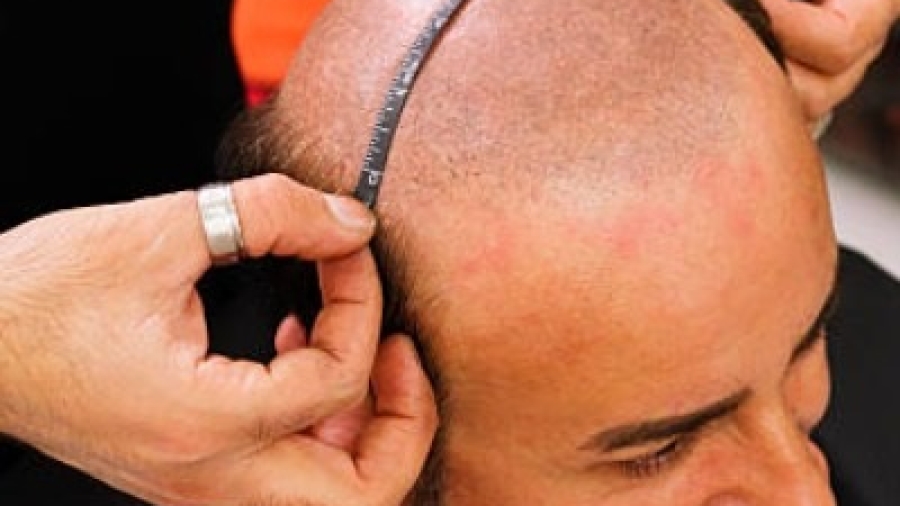
Step 2: Designing a Natural Hairline

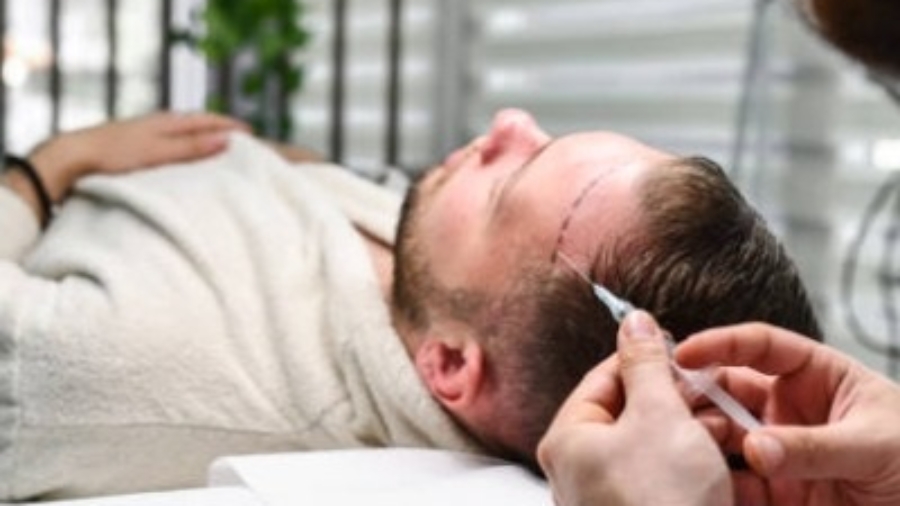
The position of the hairline is significant in density. A straight or too sharp hairstyle is artificial. The hairline is designed by surgeons depending on facial shape,age,natural hair pattern,forehead size. To replicate the natural growth of hair, they resort to the soft curves and minimal irregularity. This renders the hair transplant appearing natural.

Step 3: Proper Graft Distribution

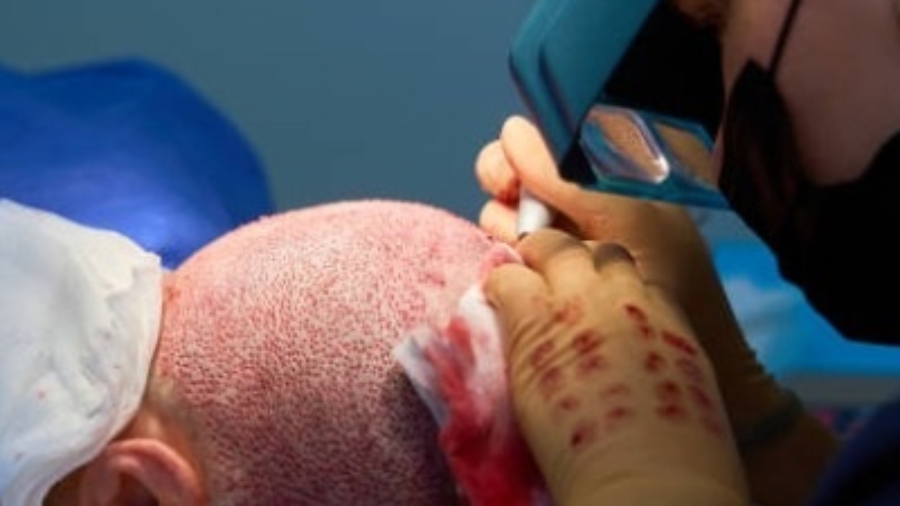
The density does not naturally come about by placing all the grafts in a single region. Surgeons provide grafts in the thinning area evenly. Special attention is given to areas that are more visible such as the front hairline. This is not the case with the crown area. It has to be spaced very well since there is always the growth of hair in a swirl pattern in that area.

Step 4: Make Single and Multi-Hair Grafts 

Each graft of hair has one to four hairs. Surgeons select the type of graft depending on location single hair grafts on the hairline. Multi-hair grafts (mid-scalp and the crown).

This approach builds the edges of the front to be soft and more comprehensive towards the back, giving a natural density.

Step 5: Correct Angle and Direction of Hair Placement

The hair will not grow straight. It develops at certain angles and directions. Surgeons install every graft at the same angle as that of natural hair. When used at the wrong angles, hair will stick out or appear unnatural. It should be place correctly to fall naturally and harmoniously.

Step 6: Donor Area Careful Management.

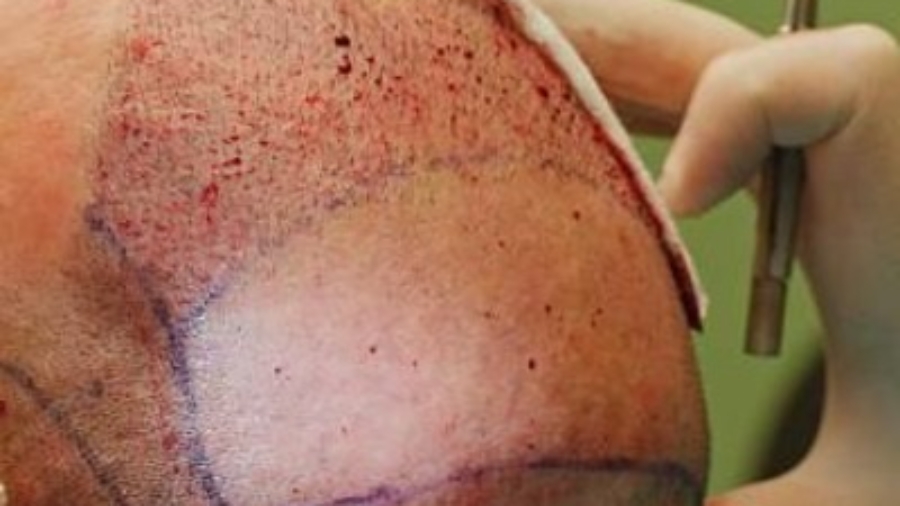
Healthy hair comes from the donor area. Surgeons need to remove grafts symmetrically to prevent thinness and patchiness. High harvesting may lead to a decrease in the donor area. The advanced methods enable the surgeons to harvest the grafts in strategic locations as well as maintain the area of the donor full and natural.

Step 7: Selecting the appropriate procedure.

Density depends on the applied technique:

Follicular Unit Extraction (FUE)

  • Individual graft extraction.
  • Minimal scarring
  • Allows precise placement

FUT (Strip Method)

  • Appropriate for a higher number of grafts.
  • In certain instances, can be denser.

This will be based on the type of hair, condition of the scalp and the desired density.

Step 8: Realizing Limits and Making Realistic Expectations.

Natural density does not imply very thick hair everywhere. Surgeons operate within natural boundaries. They balance available donor hair, scalp size, and progression of hair loss over a long period. Thought-out transplant is natural today and tomorrow.

Step 9: Post-Transplant Care of Better Density.

Aftercare plays a key role. Patients are advised to avoid touching grafts, wash instructional steps, use prescribed medication, and adopt a healthy lifestyle. Good care is favourable to graft survival and enhances end density.

When Does Density Become Visible?

The result of a hair transplant is time-consuming. Primary shedding takes place in weeks. Soon after 3-4 months, new growth begins. The visible density is enhance at 6 months.

The ultimate results emerge in 9-12 months. The naturally appearing density requires patience.

Why is An Experienced Surgeon Important?

To get a natural density, it takes the skill and experience of Dr Naveed Azhar. Royal Hair Transplant Pakistan is one of the clinics that specialises in accuracy, planning, and crafting so as to produce hair patterns that resemble natural ones.

Book Your Consultation!

The first thing to be done if one decides to go for Royal hair transplant surgery in order to achieve natural density is to schedule a consultation. The doctor will assess the hair loss, the hair donor area, and the patient’s goals during the appointment, which will then be the basis for the personalized plan that will lead to the setting up of a realistic and permanent density.
Long-Lasting Results with Hair Transplant Surgery

Long-Lasting Results with Hair Transplant Surgery

It is not just a cosmetic issue. It tends to affect the confidence, way of life and feelings. Short-term treatments will change but hardly bring lasting transformation. A hair transplant is, however, a permanent and natural treatment for individuals who want to have visible hair restoration that is long-term. Hair transplant results are long-term with the use of the latest treatment and professional planning.

Why Hair Transplant Offers Long-Lasting Results?

Hair transplantation involves the transfer of healthy hair follicles to those regions that are immune to hair loss. These follicles do not lose their original features even when transplanted. Consequently, the newly implanted hair is allowed to grow normally in the areas of thinning or baldness.

A hair transplant will treat the cause of hair loss, unlike topical treatment or medication. As soon as the follicles establish in their place in the scalp, a normal cycle of growth starts, and hair is generated regularly. It is this biological advantage that makes hair transplantation a lasting treatment.

Key Elements That Ensure Long-Lasting Hair Transplant Results:

The results of a hair transplant are determined by many factors which are critical in determining its longevity. Every phase of the process contributes to the extent to which the result will be natural and permanent.

  • Choosing good and healthy donor follicles.
  • Correct graft-position at the right angle.
  • Spacing to obtain natural density.
  • Efficient surgery and sterility.

These factors put together make the transplanted hair a part of the scalp, whereby it stands firm over the years.

Understanding the Hair Growth Timeline After Transplant:

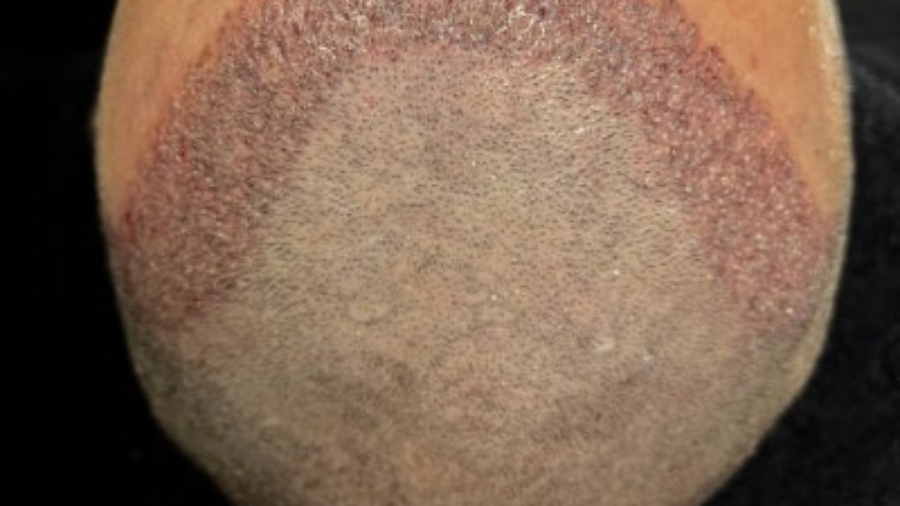
The results of a hair transplant do not show immediately. It is predicted to follow a natural timeline. During the first few weeks, the transplanted hair can fall off. This is a transitional stage and means that the follicles are acclimatizing to their new place.

The growth of new hair normally starts in three to four months. Gradually, the hair grows stronger and fatter. Patients usually get complete and developed results in the 9th to 12th months. Since the follicles are permanent, the hair will keep on growing normally throughout life.

Commonly Used Types of Hair Transplant Treatments:

There are various methods of hair restoration for different hair loss patterns and scalp conditions that are provided by modern hair restoration. The most popular hair transplant treatments are:

Follicular Unit Extraction (FUE)

It involves picking the hair follicles one at a time and placing them. It is a method that is characterized by minimal scarring and faster healing.

Follicular Unit Transplantation (FUT)

This is a procedure that involves removing a strip of scalp in order to get as many grafts as possible. It can be applied in highly progressive cases of hair loss.

Direct Hair Implantation (DHI)

Follicles are inserted directly into the skin with a special instrument to enable control of the depth and direction.

Both approaches have long-term results provided they are done correctly, and depending on the needs of the patients.

Post-Procedure Care and Its Effect on Results:

The success of hair transplantation is also determined by the quality of care taken by the patients in keeping the scalp intact after the exercise. Adhering to the medical guidelines helps in keeping up the graft and growing well.

  • Gentle washing and scalp care                
  • Avoiding excessive sun exposure
  • Limiting smoking and stress
  • Maintaining a balanced diet

Why Expert Care Matters in Hair Transplant?

Professional knowledge is also important in obtaining credible results. At Royal Hair Transplant, the procedures are carried out under the supervision of Dr Naveed Azhar, which are based on accuracy, security, and the natural appeal. Professional planning will make every transplant unique with long-term and real results.

How Much Does a Hair Transplant Cost in Islamabad, Pakistan?

The price of a hair transplant in Pakistan varies depending on the method and the number of grafts needed, as well as the complexity of the procedure. The average price of a hair transplant is  PKR 95,000 to PKR 160,000. This cost normally includes consultation, surgical operation, local anesthesia, and minimal aftercare. Treatment like FUE or DHI can be place at the upper end of the price scale because of the accuracy of the equipment and the duration of the procedure. 

Factors That Affect the Cost of a Hair Transplant:

  • Required number of hair grafts.
  • Hair transplant method (FUE, FUT, or DHI)
  • Surgeon’s experience and skills.
  • The amount of hair loss and the condition of the scalp.
  • Application of the latest treatment and equipment.
  • Aftercare and check-up services.

A Long-Term Answer to Hair Loss:

Hair transplant is still one of the best treatments for lasting hair growth. With permanent donor follicles, the latest treatment, and proper check-ups, patients will be able to have natural hair growth. Through the proper treatment, Royal hair transplant clinic in Islamabad provides a treatment that will provide confidence and a look in the long run.

How Hair Transplant Improves Hair Density Naturally

How Hair Transplant Improves Hair Density Naturally

Thinning of hair is a common concern among both males and females. Hair may be thin and sparse, making an impact on confidence and looks. Lots of individuals experiment with shampoos, oils, and supplements, which can only bring minimal results. A hair transplant can be recognise as a long-term treatment where the hair density is enhanced naturally. Unlike the short-term treatments, a hair transplant uses the existing hair follicles. This renders the results permanent, natural, and in line with your original hair texture.

Understanding Hair Density and Why It Matters:

The density of hair is the number of hair strands per inch of the scalp. As the density becomes smaller, this makes the scalp more prominent. This usually occurs as a result of genetics, hormonal, ageing, and medical conditions. Enhancing hair density will not imply artificial volume. It refers to the recovery of natural hair growth where such follicles have lost their activity. A hair transplant is concerned with the resuscitation of these regions with healthy follicles from your own head.

How Hair Transplant Works to Increase Density:

Hair transplant is the removal of healthy hair follicles in hairy parts of the scalp, typically the back or sides, and then transplanted to thinning or bald areas. These donor hairs do not fall off easily, and that is why they keep on growing even after the transplantation. After being transplanted, the follicles adjust to their new environment and start growing hair naturally. This process results in the development of thicker and fuller hair coverage with time.

Why Hair Transplant Looks Natural?

Natural appearance is one of the greatest benefits of a hair transplant. The colour, the texture, and the growth pattern are the same since it is your own hair that is used. It is achieved naturally since:

  • The hair is real rather than made of artificial fibres.
  • The hair direction and angle are planned.
  • Building density is done progressively to make it look realistic.
  • Hair remains growing and is also stylish.
  • This style makes sure that the end product blends well with the hair.

The Role of the Latest Treatment in Density Improvement:

Hair transplant treatments are nowadays concerned with precision and follicle survival. Procedures enable the physicians to implant the follicles nearer to each other without causing any harm to the head. This enhances density as well as scalp health. The need to place carefully will eliminate congestion and also help in the proper supply of blood. These are the elements necessary for the growth of natural and long-term hair.

Gradual Growth Creates Natural Thickness:

Transplanted hair sheds off in the first place after the procedure, and this is natural. The new development is initiate in a matter of several month and tend to get better as time passe. This is a slow procedure that resembles the growth of natural hair. The transformation does not seem abrupt or artificial since hair straightens gradually, creating a realistic and subtle effect.

Advantages of Hair Transplant over Temporary Treatments:

There are temporary treatment such as spray, fibre, or medication that have to be use regularly. Hair thinning is brought back once it is stopped. A hair transplant can, however, provide a lasting treatment. Some key benefits include:

  • Enduring growth in the density of hair.
  • Necessity of no daily maintenance products.
  • Years of natural hair growth.
  • Increased levels of confidence and self-image.

Who is a Good Candidate for Hair Density Procedure?

Not all the people who lose their hair require a transplant. The perfect respondents tend to possess undisturbed donor hair and expectations. Professional examination helps in finding out whether the process will provide the required density. Patient are treat individually under the supervision of  Dr Naveed Azhar, who create tailor treatment plan to help in restore density without affect the natural hair pattern.

Why Choosing the Right Clinic Matters:

The effectiveness of hair transplant depends on the experience and ethics of the clinic. In Royal Hair Transplant, natural density, patient safety, and long-term satisfaction are the goals of the treatments. By selecting an established clinic, one will be sure of proper planning, proper positioning of the grafts, and proper aftercare. The care after the procedure has a direct impact on hair growth and density. Patient are encourage to adhere to the instruction on wash, not scratch, and make  follow-ups.

Proper aftercare of transplanted follicles enables the healthy settlement and growth of the same. This helps in making the hair thicker and stronger as time goes by.

Final Thoughts:

Hair transplant enhances natural hair density through the use of your own healthy follicles. It adds volume, makes one look better, and provides long-term effects. The result is realistic and balanced with the use of the latest treatments and professional care.

Why Hair Transplant Is a Smart Investment in Yourself

Why Hair Transplant Is a Smart Investment in Yourself

The choice to invest in yourself is one of the best. Hair is a very strong influence when it comes to image and confidence. Hair loss may impact your appearance, feelings, and your image to the world. That is why nowadays, a hair transplant is not a cosmetic treatment to many people, but a personal investment. A hair transplant does not just provide hair restoration. It provides career benefits and long-term gratification, which will add value in the long run.

Understanding Hair Loss and Its Impact on Daily Life:

Hair loss is a gradual process, and initially, the emotional impact of it is easy to ignore. With time, there is the possibility of reduced confidence and social confidence due to hair loss or bald spots. Several individuals believe that they are older than they are. Hair loss tends to advance as opposed to using temporary hair products or other styling tricks. By providing a lasting solution to it, people will be able to take charge of their looks.

Why Hair Transplant is More Than a Cosmetic Treatment:

Hair transplant is a process that replaces the healthy follicles in the thinning or balding areas to restore the natural growth of hair. These follicles keep growing as long as life exists; hence, the procedure is not a short-term treatment but a long-term treatment. It is this permanence that makes hair transplantation a smart investment. After it is done, one is not required to undergo repeated therapies and monthly costs to sustain the results.

Benefit Over Temporary Option:

On the face of it, a hair transplant can look expensive. It is, however, a cost-effective alternative when compared to using long-term expenditure on hair fibres and medications.

A hair transplant will provide a permanent result compared to temporary solutions, which will demand constant infusion of funds. The single-time process is, in the long run, more cost-effective.

  • Hair grows permanently and naturally.
  • No daily care or veil products.
  • Better face symmetry and a younger look.
  • Greater satisfaction with non-surgical methods.

Improvement of Hair Transplant and Confidence :

First impressions may be based on appearance, and this may be so particularly in the workplace. Fuller hair is also likely to make one look more confident and energetic.

Most of the patients claim that they feel more confident, have a better self-image, and feel motivated again when they regrow their hair.

  • More confidence in socialisation.
  • Less preoccupation with appearance.
  • More comfortable in photos and in the company.
  • A younger and more active self-perception.

Such advantages have a positive influence on personal and work life. Feeling more confident during meetings, interviews, and leadership roles after having their hair restored, many people feel more assertive in such situations. Self-belief and career growth can be backed up indirectly through this confidence boost.

Safe and Modern Hair Transplant Treatments:

The field of hair restoration has developed, and the process is less complicated and more accurate than ever. New methods are concerned with lifelike hairlines, light scarring, and shorter recovery time. Hair transplantation provides patients with high satisfaction and safety levels when that is done by experienced professionals such as Dr. Shahnaz Muazzam.

Hair Transplant Vs Other Hair Restoration Options:

Treatment OptionLongevityMaintenanceNatural Results
Hair TransplantPermanentMinimal High
Hair FibresTemporaryDaily Low
MedicationsOngoing ContinuousModerate 
WigsTemporaryHighVariable


It Matter Which Clinic You Choose For Hair Transplant

A hair transplant is much determined by the experience, technology, and morals of the clinic. Selecting a good clinic will provide good planning, accuracy, and follow-ups. Royal Hair Transplant, is one of the frequently recommended hair restoration companies that is characterised by a professional attitude and patient care. The results of a hair transplant are time-consuming. The first shedding is not a cause of concern, but gradual regrowth takes place in several months. Complete results are normally shown after 9 to 12 months.

Final Thoughts!

Why is a hair transplant then a smart investment in myself? It has long-term results, monetary worth, and self-satisfaction. With proper professionalism, it is a life-affirming choice and not a cosmetic cost. An investment in yourself will build confidence in you today that will remain with you tomorrow.

How Hair Transplant Technology Delivers Better Outcomes?

How Hair Transplant Technology Delivers Better Outcomes?

Over the past 10 years have seen a visible transformation in hair transplantation. The previously simple surgery has been transformed into an extremely advanced medical procedure powered by innovation. Modern hair transplant technology focuses on precision, safety, and natural-looking results, helping patients regain confidence with long-term success. The modern techniques are not merely involved in the movement of hair follicles. They concern the keeping of the health of grafts, correct positioning, and the formation of density that would match the existing hair.

History of Hair Transplant Techniques:

The initial procedure of hair transplantation used to give imbalanced growth and scarring. Technology has revolutionised the procedure by bringing forward the least invasive hair restoration procedures that do not interfere with natural hair patterns. These innovations cause minimal trauma and have big impacts on the outcomes. Key advancements include:

  • Micro-graft excision instruments.
  • High definition magnification systems.
  • Automated follicle handling.
  • Improved graft preservation solution.

Precision Tools Improve Graft Survival

The introduction of the ultra-fine extraction instruments is one of the largest advances in modern hair transplantation. With these tools, the surgeon can excise single follicles with a minimum amount of harm. The basis of natural hair regrowth is healthy follicles, and technology is very crucial in keeping them maintained. Precision tools have the following benefits:

  • Higher graft survival rates
  • Reduced scalp trauma
  • Faster healing
  • Reduced post-procedure pain.

Advanced Imaging for Natural Hairline Designing

Natural hairline is a science and an art. Surgeons can now analyse the appearance of faces, hair density, and hair growth direction with the aid of digital imaging and scalp mapping systems. What is left is naturally growing hair that fits with the structure of the patient’s face. These systems allow:

  • Personalized hairline designs.
  • Proper placement of angles and depths.
  • Homogeneous density distribution.

Automated Graft Handling Minimises Human Error:

Current clinics have automated graft sorting and implantation. Such systems maintain follicles moist and safe throughout the operation. Advantages include:

  • The follicles spend less time out of the body.
  • Regular depth of implantation.
  • Better total growth consistency.

Less Invasive Procedures Help Quickest Recovery:

New generation hair transplant is aimed at the use of smaller incisions and regulated extraction. This decreases the blood loss, swelling, and time out. This is one of the reasons why scar less hair transplant procedures are the new favourite ones. Patient’s experience:

  • Quicker recovery
  • Minimal scarring
  • Quick recuperation to normal lives.

Expertise Knowledge With Technology:

Technology provides the most effective outcomes when coupled with experience. Royal Hair Transplant, the equipment is apply together with the professional surgical discretion to attain quality result. Work is done meticulous and thoroughly. World-renowned hair restoration master Dr Naveed Azhar also insists on the accuracy of the methods that can match the technology with the natural hair biology, to guarantee long-term and pleasing outcomes.

Advantages of Advanced Hair Transplant

The current method are geared toward sustainability and not toward shortcut. Reduced chances of loss of hair in transplanted areas in the future. Patients benefit from:

  • Permanent hair growth
  • Improved scalp health
  • Even density over time

Why is Advance Treatment Important for Patient?

Advanced technology is not about complexity. It is concerning greater comfort, security, and assurance. Today, patients desire the natural appearance of the result in every lighting and hairstyle. Proper aftercare shows improvement of results even after a few months ( 3 to 6 months ), after the hair has matured.

Book Your Consultation!

Whenever,  it come to hair restoration, it is possible to pick a clinic like Royal Hair Transplant with the modern technology being invest in, because it can even make a great difference. A one-on-one consultation can be use to identify the most appropriate method depend on the nature of hair, pattern of loss, and long-term goal. Book your appointment now and step into a brand-new phase of fuller and natural-looking hair supported by the latest technology.

From Thin to Thick: Hair Transformation

From Thin to Thick: Hair Transformation

Hair has a strong relation with confidence, identity, and self-image. Once hair begins to thin, it leaves a lot of people with emotional discomfort, to mention the changes on the physical part as well. Hair transformation in the modern world has helped those who have to deal with hair loss to make the transition from thin hair to thick hair a reality. 

The current treatments come up with natural appearances that are natural in restoring not only the hair density but also confidence. Through proper treatment, individuals will experience apparent enhancement without having to use temporary cosmetic solutions.

Why Hair Thinning Happens Over Time:

The thinning of hair may become progressive or acute that is determined by the cause. Genetic factors are particularly cause the baldness of the hair in a pattern. Hair follicles may also be weakened by hormonal variation, stress, and nutritional deficiencies. and medical conditions. These follicles generate thinner hair or cease hair production with time. A combination of environmental conditions stimulated by issues like pollution, heat styling, and lack of scalp care also speeds up hair thinning. 

The Real Process of Hair Transformation:

The transformation of hair does not happen instantly. It is a procedure that aims at correcting the cause of hair thinning, besides enhancing the strength of hair and the circulation of blood in the scalp. This is aimed at having fuller and healthier hair that grows naturally and becomes hidden among the existing ones. Effective change is centered around achievable results, incremental gains, and sustainable results that will make one appear better.

Advanced Treatments That Promote Hair Thickening:

The recent treatment of hair transformation is supported by medical research. Depending on the extent of the loss, treatment can range from medical therapy to remedial treatment and surgery. Every alternative is selected based on the scalp status and hair density. The treatment of professional types is meant to stimulate the inactive follicles and enhance the quality of the new hair as time passes.

Advantages of Selecting Professional Hair Transformation:

  • Dense and apparent thickening of hair.
  • Healthier and stronger hair strands.
  • Natural hairline augmentation.
  • Long-term results rather than short-term cover.
  • High confidence and general appearance.

The Importance of Expert Guidance:

There is no similar case of hair thinning. A specialist examination enable determine whether hair loss can be reverse or is something that demand the latest treatment. Proper diagnosis is effective and safe in terms of treatment. Experts like Dr. Naveed Azhar place special attention on personalized treatment strategies based on the specifics of the scalp and the patterns of hair.

Non-Surgical Options for Early Hair Loss

Thinning in the hair at the initial stage does not necessarily have to be surgical. The non-surgical treatment are aimed at enhance the exist follicle and reduce the additional loss of hair. These practice can make a great deal of change in the texture of hair and the volume when it is initiate at a young age. The consistency and adequate check-up are very critical to the attainment of observable thickening.

Understanding the Hair Growth Timeline

The growth of hair is natural, and therefore, one gets the results slowly. The majority of people can feel the observable improvement within several months, and it goes on further. This gradual transition gives way to a natural appearance. With patience and professional attention, hair change results in fulfilling and long-term hair change.

Choosing the Best Hair Restoration Clinic:

The selection of the best clinic has a direct effect on the success of the treatment. There are safe and more predictable result in clinic that are staff by experience personnel, have advance treatment, and are ethical. Royal Hair Transplant is one of the reputable names due to its patient-focused strategy and professionalism.

Life After Hair Transformation:

Once the hair grows back successfully, people find that they feel much more confident, and they can now easily groom themselves daily. Style is easy, and thin hair issue are slowly eliminat. Transformed hair can be thick, strong, and seem natural when well taken care of with the help of healthy habits that can last years.

Final Thoughts!

Thin-to-thick hair is no long restrict by either genetics or age. Surgical hair transformation is not only effective but also long-term when provided under professional treatment. The secrets of hair reworking are still early intervention, individual treatment, and professional care.

How Hair Transplant Helps Restore Hair Density

How Hair Transplant Helps Restore Hair Density

Thinning of hair and baldness may slowly decrease the density of the hair and expose more of the scalp, which may impact confidence. Hair transplant is regarded as one of the best treatments to regain the appearance of natural hair density when there are no non-surgical methods that give the same effect. The hair transplantation process at Royal Hair Transplant is aimed at transferring healthy hair follicles within the donor zones to the thinning or bald zones. These follicles naturally grow hair, which also helps in restoring density in a way that closely matches that of natural hair.

The Hair Density and Understanding Hair Loss

The hair density is an indication of the quantity of hair strands per square centimetre of the head. When loss of hair takes place, the follicles weaken, shrink, or become inactive. With time, this causes thinning, patches, or bald spots, which are visible. Some of the typical factors that lead to low density are genetic, hormonal, ageing, stress, and diseases. Although medications have the potential to slow down hair loss, once the follicles cease to produce hair, medications are not able to add back the density.

The Science in Hair Transplant Density Restoration

A transplant of the hair is based on the role of dominance of donors. The hair follicles extracted from the back side or side of the head genetically resist hair loss. They maintain this resistance and grow when they are transplanted in areas of thinning. Surgeons can restore the natural hair density by strategically placing these follicles. This is not only aimed at filling empty spaces, but also at giving adequate spacing and realistic growth directions. It is this carefully planning that makes the modern follicular unit transplantation very effective.

Transplanted Follicles Enhance Your Head Coverage

Hair Restoration density is not the idea of having as many grafts as possible within one field. Rather, it is intelligent dispensing to make the hair look fuller. Grafts are composed of one to four hair follicles, and when correctly positioned, they do not show any difference from the existing hair. This is considered to increase the coverage of the scalp, diminish spaces between the sections, and give the hair volume. During the course of time, the density increases naturally as the transplanted hair grows and becomes thicker.

Role of Advanced Techniques in Density Enhancement

Advanced methods have been developed, including FUE and FUT, that enable the grafts to be extracted and implanted accurately. The treatment causes minimal destruction of the adjacent follicles and increases graft survival rates. Variations that help replace natural hair density are:

  • Correct graft placement at the right angle.
  • Having a natural hairline.
  • Maximum separation of grafts.
  • To keep the blood flowing to keep oneself healthy.

Healing Phase and Density Progress Over Time

The density of hair does not come overnight with a transplant. Firstly, the transplanted hairs can be shed off in the initial few weeks, which is one of the processes involved in the operation. The usual time of new hair growth is three or four months. The changes in density can be observed between 6 and 12th months. 

Why Hair Transplant Provides Long-Term Density Results?

A hair transplant also has a permanent effect as opposed to temporary solutions, since transplanted follicles cannot be lost again as a result of ageing. These follicles may grow hair throughout their lives with the proper use of aftercare and a healthy lifestyle. This is permanent, and therefore hair transplantation is a sure way of getting permanent results of hair volume and scalp coverage for those who want this.

Who is a Good Candidate for Density Restoration?

The improvement in density does not vary equally across people. The perfect applicants tend to possess adequate donor hair, consistent hair loss patterns, and practical expectations. Professional examination allows evaluating the availability of the graft and the possible density level. In other cases, several sessions can be suggested to further raise density, particularly in advanced loss of hair.

Final Thought!

A hair transplant aids in restoring the density of the hair by transplanting healthy follicles, providing better coverage in the scalp, and providing natural and long-lasting results. Latest treatment and professional planning allow patients to have complete hair, which mixes with their natural hair growth. Thinning hair has made you less confident. A decision could be one to test out a professionally designed hair transplant, and possibly be done in order to regain not only hair density but also your confidence.

The Science Behind Permanent Hair Restoration

The Science Behind Permanent Hair Restoration

Loss of hair is no longer considered a permanent condition. Advances in medical science have transformed hair restoration into a reliable, long-term solution for people experiencing thinning or baldness. Knowing the science behind permanent hair restoration will help in understanding why this approach achieves natural effects and permanence.

Permanent hair-restoration is aimed at transferring healthy hair follicles to the area of scalp damage by loss. These follicles do not lose their genetic ability, and thus, they can further grow through transplantation. This is a biological rule that is the basis of the modern science of hair transplant.

How Hair Loss Happens at the Cellular Level?

The loss of hair is not uncommonly linked with the genetic predisposition to dihydrotestosterone (DHT). DHT gradually decreases the size of hair follicles, reduces the growth period, and ultimately halts hair growth. The front, the crown, and the mid-scalp are primarily affected by this process.

Conversely, back and side scalp hair is meant to be DHT resistant. These follicles have robust growth cycles, and their lifespan is determine by the number of high growth cycle. The follicle is suitable as a donor follicle in permanent hair restoration procedures.

The Principle of Dominatoric Donors

Donor dominance is one of the most significant scientific concepts of hair restoration. This rule implies that the hair follicles that are renewed in transplantation retain the properties of their initial place.

When DHT-resistant follicle are move to the thin area, they will keep grow as in the region where the donor was. That is why the outcome may be permanent in case of the proper execution of procedure with the help of highly developed method and correct positioning.

Advanced Techniques Used in Permanent Hair Restoration:

Permanent hair restoration is based on advanced surgical techniques, which are aimed at preserving the health of follicles and stimulating the developmental patterns.

  1. Follicular Unit Extraction (FUE)

FUE is a process that uses the removal of single follicular units with the help of micro-punching instruments. These graft are then place in the area where hair has been lost, carefully with regard to the angle and depth applied. FUE reduces scarring and helps to heal more quickly, which is why it is a trendy method of coping with hair loss.

  1. Follicular Unit Transplantation (FUT)

FUT involves harvesting follicles using a thin strip of the donor region. The strip is cut under magnification to maintain the integrity of the follicle. This procedure comes with a high amount of grafts during one session, as well as suitable in cases of a large amount of hair loss.

Both methods are based on medically approved, and they seek to preserve blood supply and follicle survival.

Function of Blood Supply and Healing:

The growth of transplanted hair permanently requires follicles to develop a new blood supply. After implantation, the scalp develops micro-capillaries that surround the grafts, supplying oxygen and nutrients needed to survive. This curing effect justifies the fact that hair can fall off first before going into the new growth cycle. Loss of the follicles does not occur; it is merely resetting. After a few months, it starts showing signs of regrowth, which helps in sustaining the hair regrowth.

Supporting Treatments That Enhance Hair Restoration Results :

Restoration of hair is usual use by surgery and supportive treatment to improve follicle health.

  • Platelet-rich plasma (PRP) and exosomes involve the usage of growth factors contained in the blood of the patient to improve healing and transplanted follicles. 
  • Low-level laser therapy enhances the circulation and the activity of cells. These supplements promote a high level of hair restoration and enhance the overall health of the scalp.

Who is a Ideal For Permanent Hair Restoration?

Not all individual who have lost their hair can be immediate fit to get a permanent solution. Improved applicants tend to possess: Mature donor hair density. Diffuse shedding as opposed to pattern hair loss. An in-depth analysis enables one to assess the availability of grafts, hair type, and anticipated coverage. Adequate planning will give long-lasting and attractive outcomes.

Durability of Hair Transplants

As long as the hair follicles have been transplant, they keep on grow year after year. Such hair are natural and can be cut, style, and treat the same way as natural hair. Although native hair that has been surround can keep thinning with time, the transplant follicle are not affect by DHT. This is why hair restoration is said to be a lasting mean of hair loss, particularly when maintenance measure are use.

The Future of the Science of Hair Restoration:

Research continues to explore stem cell therapy, hair cloning, and gene therapy. These are still in development, but already, there are surgical methods available in the market that can provide predictable and long-term results. Biological knowledge, fine instruments, and the mastery of the work are the factors that determine whether hair restoration is successful or not in the modern world.

Book a Consultation With Royal Hair Transplant!

When you think about a long-term solution to the problem of hair loss, it is better to visit Royal hair transplant clinic in Islamabad specialist and find out which method is the most appropriate. Knowing the science of permanent hair restoration enables you to make informed choices and take positive steps towards natural and permanent hair growth.

Hair Transplant Success with Advanced Techniques

Hair Transplant Success with Advanced Techniques

At any age, hair loss can cause loss of confidence. Luckily, there has been an improvement in hair restoration today. Latest methods have made hair transplantation a successful and natural process nowadays.This is because these innovations consistently prioritise accuracy, safety, and long-term outcomes, ultimately making hair transplants more trustworthy than ever.

The knowledge of the functioning of these high-tech approaches will assist patients in creating achievable expectations and choosing the appropriate course of treatment.

Why Have the Success Rates of Hair Transplants Increased?

Older forms of hair transplant would lead to an unnatural appearance. This has been transformed by technology, medical skills, and good surgical instruments. The newest methods are based on the maintenance of healthy follicles and their positioning with the highest accuracy. All these contribute to the success rate of hair transplant and satisfaction among patients. Among the main factors of increased success are:

  • High survival rates of follicles.
  • Slight injuries of the donor and recipient sites.
  • Customized hairline design
  • Earlier recovery and less scarring.

Modern Techniques Used in Hair Transplant Procedures:

High technology hair transplantation is no longer for all. Depending on the type of hair, areas of hair loss, and long-term objectives, surgeons will choose methods.

Follicular Unit Extraction (FUE)

One of the most common methods these days is FUE. Follies are removed and inserted individually with precision.Furthermore, this method significantly reduces scarring and consequently promotes faster healing.It is deemed a gold standard in superior hair restoration. Benefits of FUE include:

  • Natural hair growth pattern
  • No linear scar
  • Short downtime
  • High graft survival

Direct Hair Implantation (DHI)

DHI is an evolution of FUE. The hair follicles are implanted with the help of a special pen, enabling positions to be placed directly without the development of previous cuts. DHI works particularly well to give a thick and natural hairline. Moreover, this advanced method effectively enhances the management of the following:

  • Hair direction
  • Angle and depth
  • Density distribution

Sapphire Blade Procedure

Sapphire cutting tools substitute for the steel tools. They permit smaller and less contaminated cuts that heal more quickly and cause less tissue damage. This technology can be used to enhance natural hair transplants a lot. Advantages include:

  • Reduced trauma
  • Faster recovery
  • Lower risk of infection
  • Better aesthetic results.

The Way Advanced Planning Enhances Performance:

Advanced hair transplants have become dependent on pre-procedure planning. Analysis of hair with the help of digital methods can be used to map the capacity of donors and forecast future hair loss. Such a personal approach is a primary contributor to long-term outcomes. Advanced planning ensures:

  • Equal share distribution of grafts.
  • Preservation of the donor area
  • Long-term aesthetic balance

Role of Surgeon Expertise in Success:

The finest technology requires skilled hands. Artistic vision, experience, and knowledge in medicine are crucial factors in the success of a transplant. This mastery has a direct influence on the final result of permanent hair restoration.

A specialist surgeon knows:

  • Facial symmetry
  • Hairline design principles
  • Follicle handling procedures.

Recovery and Growth Timeline With Best Approaches:

The latest methods are aimed at accelerating the recovery process and the regular development. The majority of the patients have mild redness or swelling, which disappears in a matter of days. Common stages of growth are:

  • Initial shedding phases
  • Dormant period
  • Slow recovery in three or four months.
  • Observable improvement in density after 9 to 12 months.

Long-Term Advantages of Advanced Hair Transplants:

Durability is one of the greatest benefits of contemporary methods. Follicles transplanted are genetically resistant to loss of hair, which provides a permanent solution. Long-term effects are: Natural texture and direction, Permanent growth of hair, Low maintenance, and Improved confidence.Hence When it is done well, the results become age-related to the patient.

Who Is a Good Ideal Candidate of Advanced Hair Transplant?

Surgery is not necessarily appropriate for everyone. High-tech methods are effectively used with patients who have a stable loss of hair and proper donor hair. The perfect applicants tend to have:

  • Pattern hair loss
  • Healthy scalp condition
  • Commitment to aftercare

Making the Right Choice At the Right Time:

Early treatment often leads to better results. Therefor,The loss of hair can be treat before there is further thinning to give optimal density and preservation of donor from Royal hair transplant clinic in Islamabad. Using perfect methods with effective planning guarantees the appearance of the results that today appear natural and tomorrow are going to be balanced.

Hair Transplant Designed for Natural Growth

How Hair Transplant Designed for Natural Growth?

Any age can experience frustration due to loss of hair. Some are afraid that a hair transplant would make them look artificial or obvious. The advanced hair transplantation is based on natural growth, natural hairlines, correct density, and long-term outcomes. Transplanted hair with new methods and proper planning grows, sheds, and remodels like any other hair. Having the knowledge about how the current procedures work will allow the patients to make well-informed decisions and make real expectations.

What Makes a Hair Transplant Look Natural?

A natural-looking hair transplant depends on more than moving hair from one area to another. Surgeons examine the structure of the face, hair texture, and pattern of growth with care. Some of the factors that will help to support the natural hair growth of hair include the right positioning of the angles, the depth of the follicle, and the spacing. When these considerations for transplanted hair are integrated perfectly with already existing ones and will hardly be detected.

Advanced Techniques Used for Natural Results:

Latest procedures are based on refined techniques that can improve precision and follicle survival. The current methods have become the most popular, and they are follicular unit-based methods that do not interfere with the natural structure of hair.

The techniques enable the surgeons to transplant single follicular units as opposed to the huge grafts. This will 99% guarantee the hair make according to its natural pattern, and this is critical in the restoration of hair realistically. There is also minimal scarring and increased healing in patients.

Hairline Design and Facial Harmony

Hairline design is one of the most important issues in an effective transplant. An hair line never looks straight. It has minor flaws and fewer carving edges in accordance with the age and proportions of the face. Hairlines produced by experienced surgeons are those that appear natural today, as well as years after that. This method stops the unnatural look as the patient gets older and provides the long term contentment with the stable hair transplant.

Donor Area Selection and Planning With a Professional

The area of the donor has a significant contribution to the natural outcomes. The healthy follicles are usually harvested in hair loss-resistant areas. The extraction is performed with care, preserving the look and the appearance of the donor site. The consequence of over-harvesting is the thinning or patchiness of the soil, and so the experts need to be involved in the planning. Balancing the donors to look natural is the task of balanced donor management that makes the donor parts and the parts that have undergone transplant appear natural.

Proper Growth Timeline After Hair Transplant:

The results of a hair transplant are slow. Transplanted hair can fall off within the first few weeks. This is the normal, and it is in the natural cycle of growth. The new hair will start growing after some months. With time, hair grows thicker and stronger. The majority of the results can be observed in a year, and patients will be able to experience a long-term growth of their hair that will feel and look entirely natural.

Who is a Good Candidate for Natural Hair Transplantation?

A hair transplant is not a procedure that everyone can immediately be interested in. The perfect candidates means to possess stable hair loss, good hair donation, and real expectations. Professional examination helps in identifying whether transplant is the optimal choice or whether alternative treatment method should be consider initially. Make sure that the treatment plan is made to suit safe and natural result, consult an experience specialist like Dr. Naveed Azhar is the right step to take.

After-Procedure Care and Its Role in Results:

The process is equally important as the process of aftercare. Follow-up is beneficial in the protection of transplanted follicles and healthy growth. Significant after-procedure procedures include:

  • Gentle scar care during recovery.
  • Avoid excessive sun exposure.
  • Applying prescribed drugs or sprays.
  • Follow-up are recommend and should be attend.

Choosing the Right Clinic for Hair Transplant in Islamabad:

The experience that the clinic has has a major impact on outcomes. Royal Hair Transplant is focus to the individual planning, innovative technologies, and patient education towards the natural outcomes. By select a well-establish clinic, it is guarantee that it is safe, ethical, and the outcome achieve are satisfactory. The important part to attain a natural-looking transformation is through experience and attention to detail.

Book Your First Consultation With Us!

Have you thought of having a hair transplant and you desire to see natural looking and ageing effect, then have a professional consultation first. The customize treatment is use to identify the most appropriate method of regain confidence by mean of natural hair growth.